



 Updated on Oct 02, 2026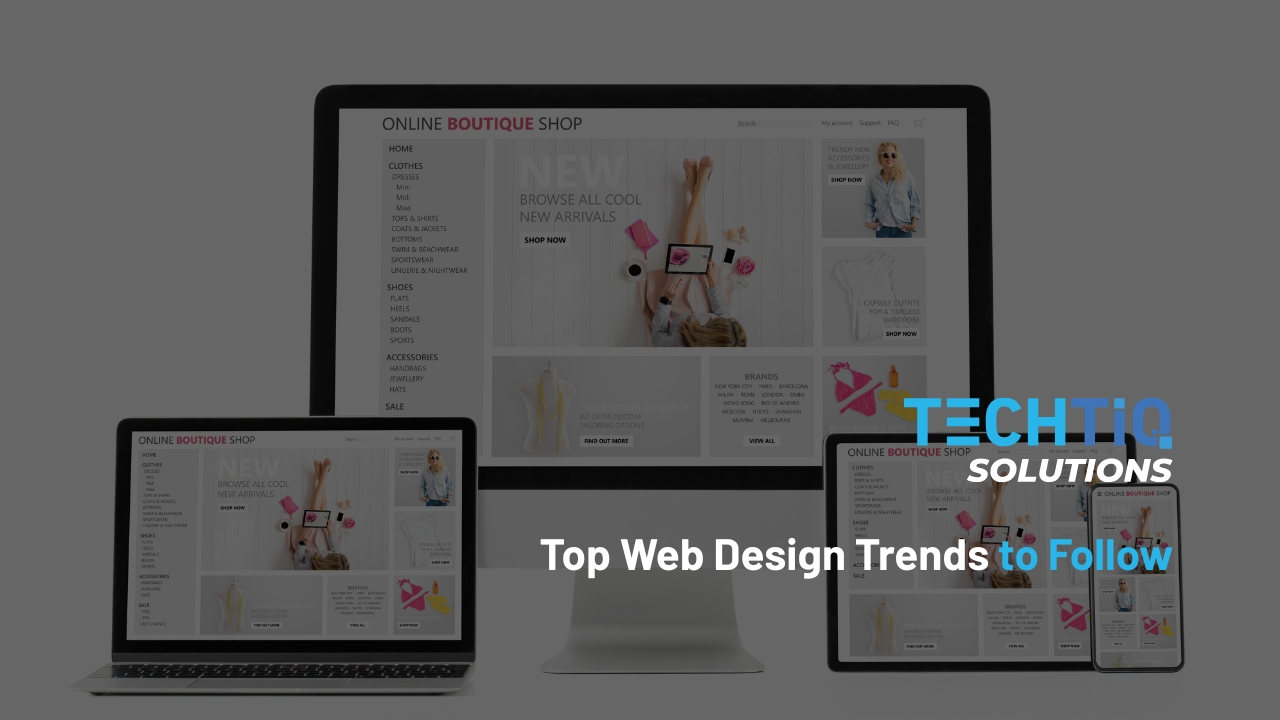
Web design has evolved far beyond pretty pictures and flashy layouts. It’s now a smart blend of strategy, user engagement, and building real trust that turns visitors into loyal customers.
In today’s fast-paced digital world, web design has evolved way beyond just looking good—it’s now all about smart strategies that drive conversions and build user trust. Gone are the days when a pretty layout was enough; now, it’s about creating seamless experiences that keep visitors engaged and coming back for more.
This article dives into the best web design trends 2026, giving you a professional rundown on what will shape successful online presences this year. Whether you’re wondering what are the latest trends in web design or seeking inspiration for your next project, we’ve got you covered with insights into the 2026 web design trends that matter most.
Key Takeaways
- Adopt AI-driven UX to personalize content, CTAs, and even page layouts for each visitor in real time.
- Prioritize mobile-first, responsive design, since most users in Singapore browse on their phones.
- Choose your visual direction: use bold typography and bright colors to grab attention, or hyper-minimalism for speed and clarity.
- Add depth with motion, 3D, and glassmorphism to create immersive, modern experiences.
- Meet WCAG 2.2 standards for contrast, keyboard navigation, and screen reader support to reach every user.
Why Following Website Design Trends Is Critical for Business Success?
Staying on top of web design trends isn’t just a nice-to-have; it’s essential for businesses aiming to thrive online. In a competitive market like Singapore’s, where users expect quick, intuitive sites, outdated designs can quickly turn potential customers away.
The Direct Link Between Design and Conversion
The first thing a visitor notices is your visuals and clarity. These decide whether they stay or leave. In fact, poor design and content drive 38% of visitors away. Strong visual trust and simple navigation do the opposite. They lower bounce rates and keep users on the page longer.
Mobile-first design plays a huge role here too, especially since most Singaporeans browse on their phones. Strong responsive web design principles help your site perform well on every screen, directly impacting conversions.
Accessibility as a Design Imperative (Not Just a Compliance Check)
Accessibility isn’t optional anymore – it’s a must for ethical reasons and to avoid legal headaches. In 2026, inclusive design ensures everyone, regardless of abilities, can navigate your site easily. This not only broadens your audience but also aligns with global standards, making your brand more trustworthy.
Visit our services: Web design and development company
Top 10 Web Design Trends in 2026 You Should Know
Here are the key website design trends 2026 that are set to dominate. These aren’t just fads; they’re practical shifts that enhance user experience and business outcomes.
1. Bold and Expressive Typography
Typography is no longer just about being readable. In 2026, fonts carry the message themselves. Brands now use large headlines, custom fonts, and layered text to make a strong first impression.
You will see this most in hero sections. Oversized letters, animated text on scroll, and variable fonts that shift with user interaction are becoming common. Brands like Glossier and Samsung already lead this way. Bold typography grabs attention fast and sets the tone before a user reads a single line.
2. Bold Color and Maximalism
Color is turning up the volume in 2026. Bright, saturated palettes are making a comeback. Neon gradients, high-contrast pairings, and playful hues are replacing muted tones. This look works well for lifestyle, beauty, and youth-focused brands.
Maximalism takes this energy further. It uses rich colors, overlapping visuals, and dense layouts to surprise visitors. Brands like Spotify and Liquid Death use this style to leave an impression. The goal is to stand out through bold storytelling, not restraint.
3. Hyper-Minimalism and Visual Clarity
Maximalism is loud, but minimalism still holds strong ground. Many brands choose the opposite path for clarity and calm.
Hyper-minimalism strips away clutter, focusing on essential content with plenty of white space, clean typography, and high-contrast elements. The goal? Clarity over decoration, which not only improves load times but also helps users find what they need faster.
4. Glassmorphism (Frosted Glass)
Frosted glass panels and translucent layers are back in 2026. Glassmorphism uses soft shadows, blurred backgrounds, and subtle gradients to create depth. The effect feels soft, tactile, and modern all at once.
Design tools now support this look, so it is easier to build. Brands like Apple use frosted layers to make interfaces feel sleek and refined. This style suits tech products, dashboards, and client portals that want a clean, futuristic feel.
5. Anti-Design and Neo-Brutalism
Some brands reject polished, template-style layouts on purpose. Anti-design, also known as neo-brutalism, uses raw visuals, asymmetrical layouts, bold color clashes, and plain system fonts. It breaks the usual rules to feel fresh and unexpected.
This style creates a sense of urgency and personality. It works best for fashion labels, creative agencies, and experimental portfolios. Brands like Balenciaga, Diesel, and Mailchimp have used it to stand out. Done right, it grabs attention without hurting usability.
6. Deep Motion and Micro-Interactions
This trend is all about using subtle animations like scroll effects, parallax scrolling, and smooth transitions to draw users in and guide their attention. It’s creating that sense of depth and polish, with micro-interactions offering instant feedback—think a button that subtly glows on hover or a form that celebrates a successful submission. These little delights make sites feel alive and user-friendly.
7. 3D and Immersive Web Experiences
Thanks to tech like WebGL, websites now use 3D graphics and interactive elements. Users can explore products in a virtual space. This is a shift from flat images to immersive demos.
Augmented reality takes it further. Users can try on products or view how an item fits before they buy. Brands like Nike and IKEA already use 3D and AR this way. This approach works well for e-commerce and portfolios where you want to impress visitors.
8. The Ascendance of AI-Driven UX
AI is taking UX to the next level. It personalizes the experience in real time. Content can adapt to how each user behaves. CTAs and even color schemes can be tested and improved on their own.
AI can now go further and adjust the layout itself. It reads real-time signals like browsing history and on-site actions. Then it reshapes the page to fit each visitor. The result is a journey that feels tailored to every user. This makes AI-driven UX one of the strongest web design trends 2026 for boosting engagement.
9. Dark Mode
Dark mode is now a standard option for websites and apps. It reduces eye strain and saves battery on OLED screens. It also looks sleek when done well. Brands like YouTube, X, and Slack offer a simple toggle between light and dark themes.
This trend reflects a wider push for personalization and accessibility. Users get to choose the view that suits them best.
10. Prioritizing Accessibility and Inclusivity (WCAG 2.2)
Accessibility is now a core part of good design. With WCAG 2.2 standards in play, sites focus on better contrast, keyboard navigation, and semantic HTML for screen readers. This helps everyone use your site with ease.
Inclusive design works across all devices and abilities. It widens your audience and builds trust. In a diverse market, this is no longer optional.
Conclusion
We’ve shared some of the web design trends of 2026 that will make your page easily recognized and remembered. Of course, there are probably hundreds of other ones created every single day. What’s important is that web designers need to keep up with all of what is going on in the area, to be able to provide you with the best and trendy page possible.
However, always follow the trends but never forget to be unique, because that’s the only thing that keeps the attention of visitors and never goes out of style.
As a reliable web design and development company, TechTIQ Solutions provides renowned quality of services. If you want to find out more, don’t hesitate to get in touch!
Website design trends FAQ
How do I choose the right web design trends for my business?
Start with your audience and goals, not the trend itself. A B2B site needs clarity and trust, so hyper-minimalism and clean typography fit well. A youth brand can use bold color or neo-brutalism. Pick trends that match your users and support conversions, then test before a full rollout.
How much does it cost to redesign a website with these trends?
Cost depends on scope, features, and complexity. A simple refresh with new typography and color costs less. Adding 3D, AR, or AI-driven UX raises the price due to development time. Get a clear quote based on your goals. A phased rollout can also spread the cost.
How often should I update my website design?
A full redesign every three to four years is common. Small updates should happen more often. Refresh content, test CTAs, and adjust for new trends each year. Watch your metrics. If bounce rates rise or the site feels dated, it is time to review your design.
Can I use more than one website design trend on the same site?
Yes, but balance matters. Mixing too many trends creates clutter. Pick one main direction, like minimalism or bold color, then add one or two support trends such as motion or glassmorphism. Keep the look consistent so the site feels cohesive, not chaotic.


Related articles

What Is Inventory Management Software and How Does It Work?
 Wei Kiong Tan
  08 Aug 2026
Web Design vs Web Development: Which One Do You Need?
13 Jul 2026 
PoC vs MVP vs Prototype: What’s the Difference?
03 Jul 2026 
Top 10 Programming Languages for Software Development in 2026
27 Jun 2026 
Top 10 .NET Development Companies in Singapore for 2026
23 Jun 2026 
Native Mobile App Development: Everything to Know in 2026
19 Jun 2026 
10 Web Security Best Practices for Singapore Startups and SMEs in 2026
15 May 2026 
10 Minimum Viable Product Examples for Startups That Want to Win Early
10 May 2026 
What Is Web Design? A Complete Guide for Businesses
07 May 2026 


