


- OVERVIEW
- SERVICES
- WHY CHOOSE US?
- MODELS
- TECHNOLOGIES
- OUR PROCESS
- FAQS
What Is Manufacturing Software Development?
- Manufacturing software development is the process of building digital systems that plan, run, track, and improve production. These systems connect machines, people, materials, and business data in one place. The purpose is to replace manual steps with accurate data, so teams can see what is happening on the floor and act on it in time.
- Singapore raises the bar for this work. Manufacturing drives close to a fifth of national GDP, led by semiconductors, precision engineering, biomedical production, and specialty chemicals. Chip and precision plants run on tight tolerances and full traceability, so paper records and disconnected tools are not enough. Software development for manufacturing companies in Singapore must handle live machine data, strict quality rules, and audit-ready records.
- Cost pressure adds to it. Land and labor are expensive, so plants raise output through automation instead of headcount. National programs like Manufacturing 2030 and grants such as the Enterprise Development Grant support these upgrades.
- The result is a market where custom manufacturing software development is standard practice. Most plants run new equipment, legacy machines, and vendor systems side by side. Many also apply lean manufacturing software development principles, building systems that cut waste and expose bottlenecks rather than adding process layers. The job is to connect them and give managers one reliable view of production.


Manufacturing Software Solutions We Build in Singapore

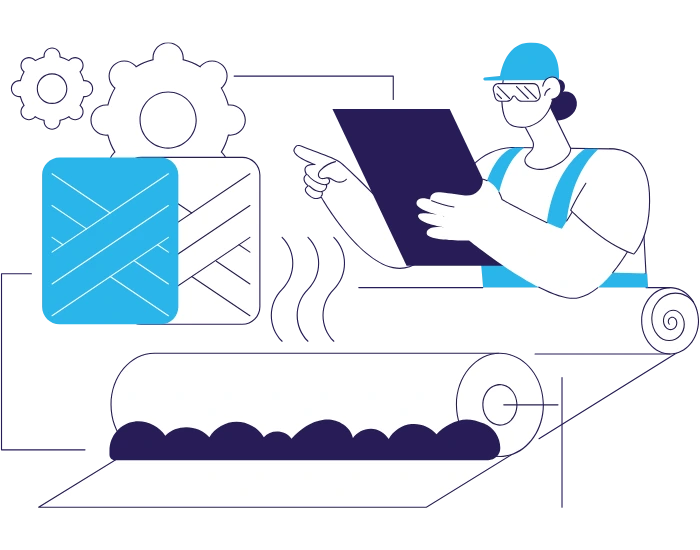
MES and Production Management
Our manufacturing execution systems turn production plans into live shop floor control. Operators get digital work orders at each station through web and mobile apps built for the floor. Supervisors track output, downtime, scrap, and OEE in real time, with full batch and lot traceability from raw material to finished goods.

ERP for Manufacturing
We build and extend ERP to handle real production logic, including multi-level BOMs, routing, MRP, and work order costing. When you already run SAP, Oracle, Odoo, or Dynamics, we add missing modules and connect them to your shop floor systems.

Supply Chain Software
Manufacturing logistics software development gives you visibility from supplier to customer. We build demand forecasting, supplier portals, purchase order automation, shipment tracking, and lead time analysis, so your team sees delays early instead of after the delivery date.

Warehouse and Inventory Systems
Stock accuracy drives every plan downstream. We build warehouse systems and inventory management software with barcode and RFID scanning, bin mapping, guided picking, cycle counting, and automatic reorder points. Data syncs with ERP and MES, which removes double entry across teams.

Quality Management Systems
Our quality systems replace paper checklists with structured digital records. We build inspection workflows, statistical process control, non-conformance and CAPA tracking, and supplier scorecards, with audit trails that support ISO 9001, ISO 13485, GMP, and HACCP requirements.

Predictive Maintenance Platforms
Sensor data only helps when something acts on it. Our platforms apply machine learning models to asset data, flag abnormal behavior before failure, and create maintenance work orders automatically. You also get asset history, spare parts planning, and downtime cost reporting.

IoT and Smart Factory
We handle the full industrial IoT stack, from sensor selection and edge gateways to cloud pipelines and live dashboards. We connect equipment through OPC UA, Modbus, MQTT, and PLC systems, including remote monitoring for machines installed at your customer sites.

Manufacturing BI and Analytics
Reporting gets hard when data sits in separate systems. We combine machine, ERP, quality, and inventory data into one reporting layer. Managers compare cost per unit, yield, and delivery performance across lines, plants, and time periods without manual spreadsheet work.
Why Choose TechTIQ Solutions as Your Manufacturing Software Development Company in Singapore?
Real Manufacturing Delivery Experience
Cost Advantage Without Compromise
Engineering Talent on Demand
Rollout Without Production Downtime
Grant-Ready Documentation
Full IP Ownership





Manufacturing Software We've Delivered

COST MODULE

KNOWLEDGEONE CORP
ARB AUSTRALIA
Trusted By








What Our Clients Are Saying

Build Connected Manufacturing Systems in Singapore

Additional Manufacturing Software Services We Deliver in Singapore
Consulting
Integration
Modernization
Cloud Migration
Support and Maintenance
Manufacturing Software Security and Compliance in Singapore

Identity and Access Management

OT and IT Segmentation

Security Monitoring and SIEM

Data Protection and PDPA

Secure Machine Integration

Audit Trails and Traceability
Our Engagement Models
Dedicated Development Team
Staff Augmentation
Fixed-Price
ODC (Offshore Development Center)
Latest Technologies We Use





















































Industry 4.0 Technologies We Apply in Manufacturing

AI and Machine Learning
- A one percent yield gain in semiconductor or precision work can pay for an entire system within a year. That is why machine learning starts with yield in most Singapore plants.
- Models train on your own production history. They forecast demand, flag quality drift before scrap appears, and recommend better schedules. Accuracy builds over time, so treat the first months as a baseline.
- There is a second benefit that rarely appears in the business case. Experienced process engineers are retiring, and their judgment leaves with them. A trained model captures part of that knowledge and keeps it in the plant.

Industrial IoT Sensors
- IIoT sensors turn machine behavior into readable data. Vibration, temperature, energy, and pressure readings expose developing problems long before an operator notices them. The sensor itself is rarely the challenge. Most factory equipment was never designed to share data, so the real work sits in bridging that gap.
- Energy monitoring has become a priority for local manufacturers. With the carbon tax now applied to large emitters and rising utility costs, plants need consumption data at the machine level to identify waste and report accurately. The same sensor network supports both sustainability reporting and maintenance planning.
Computer Vision Inspection
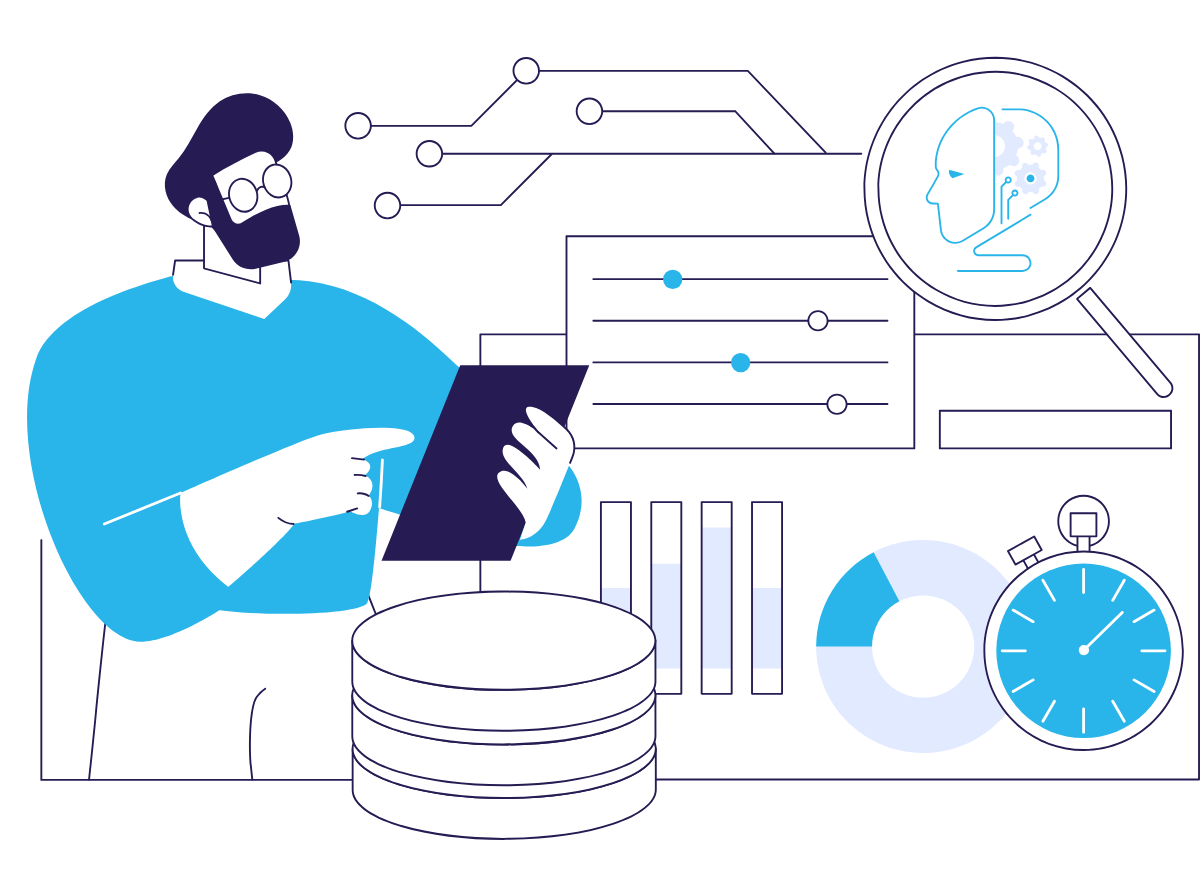
- Human inspectors are accurate for the first hour of a shift. After that, attention drops, and defect detection drops with it.
- Vision systems check every unit at line speed without fatigue. Cameras and trained models catch surface flaws, assembly errors, and label mistakes, logging each rejection with an image your quality team can review.
- The economics work best where unit values are high. In electronics, medical devices, and precision components, one defect reaching a customer costs more than the inspection system itself.

Robotic Process Automation
- RPA is the one technology on this list that touches no machinery at all.
- Software bots handle order entry, invoice matching, shipping documents, and report compilation, working across systems that have no APIs. Because they sit on top of your existing software, deployment takes weeks rather than months.
- For local manufacturers, the pull is headcount. Growing an operations or finance team in Singapore is slow and expensive. Automating the repetitive processing lets the people you already have focus on exceptions and supplier issues.
Big Data Engineering
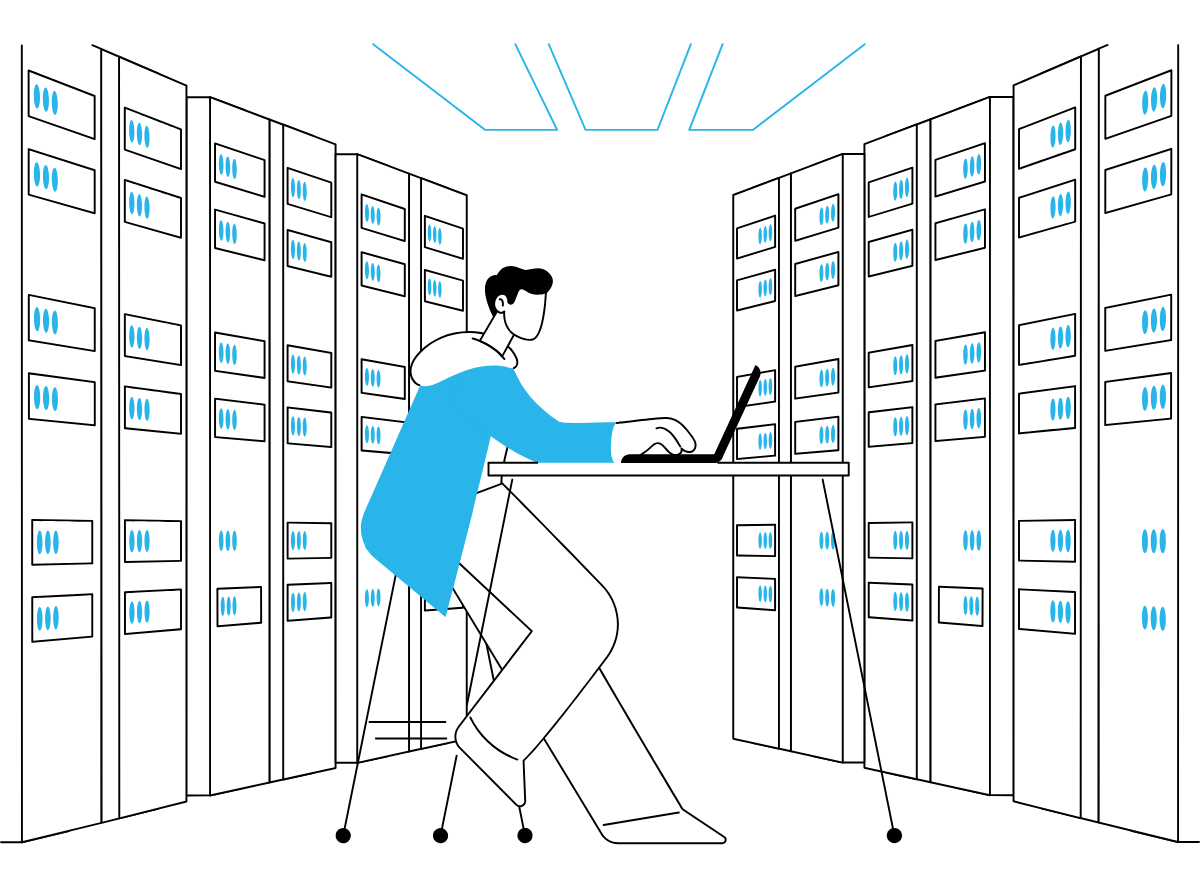
- Machine data arrives fast and in large volumes, and most of it goes unused. Data pipelines collect, clean, and store this stream at scale, then structure it for analytics and AI. Without this layer, advanced projects stay stuck at pilot stage and never reach production.
- Multi-site operations feel this most. Many Singapore companies run headquarters and design work locally while operating plants across Malaysia, Vietnam, Indonesia, and China. A shared data platform lets you compare output, cost, and quality across those sites using consistent definitions rather than reconciled spreadsheets.

Edge and Cloud Computing
Our Manufacturing Software Development Roadmap in Singapore

Discovery and Process Mapping

Design and Architecture

Team Setup

Agile Build and Demos

Testing and Shop-Floor Validation

Rollout and Ongoing Support
Our Insights
 04 Mar 2025
FAQs
Start Your Manufacturing Software Project Today
