SaaS Application Development

HealthTech

HealthTech is a SaaS electronic health record (EHR) platform. It has received recognition for its user-friendly design, strong functionality, good customer service, and adaptability as a full mobile communication solution.


A good mobile solution was a core requirement. It lets users reach services, data, and support directly from their phones. With these features in place, the platform gives users a better experience, higher engagement, and a more personal user journey.

Share
Overview Image

What The Client Required

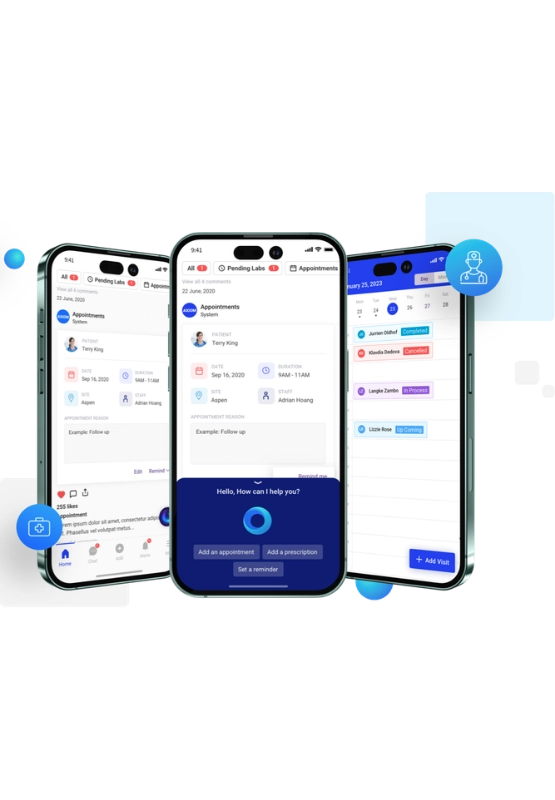
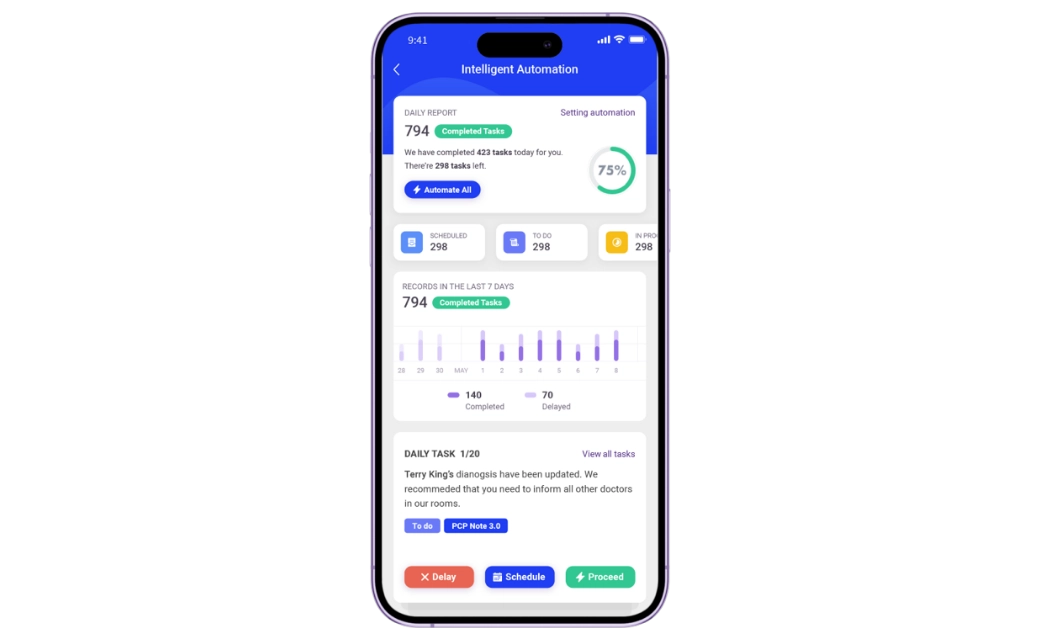
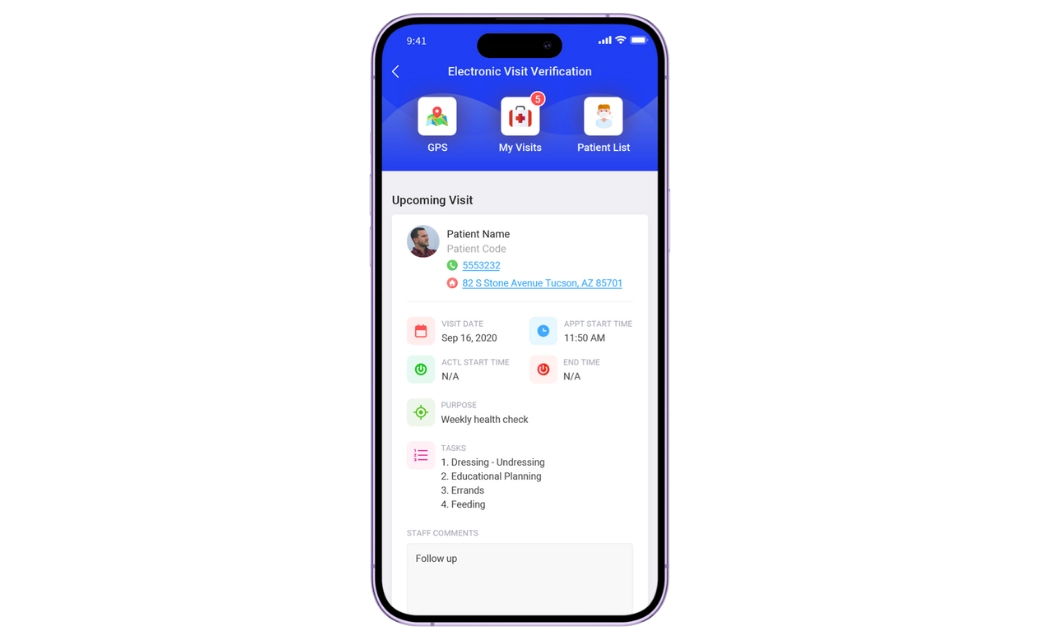
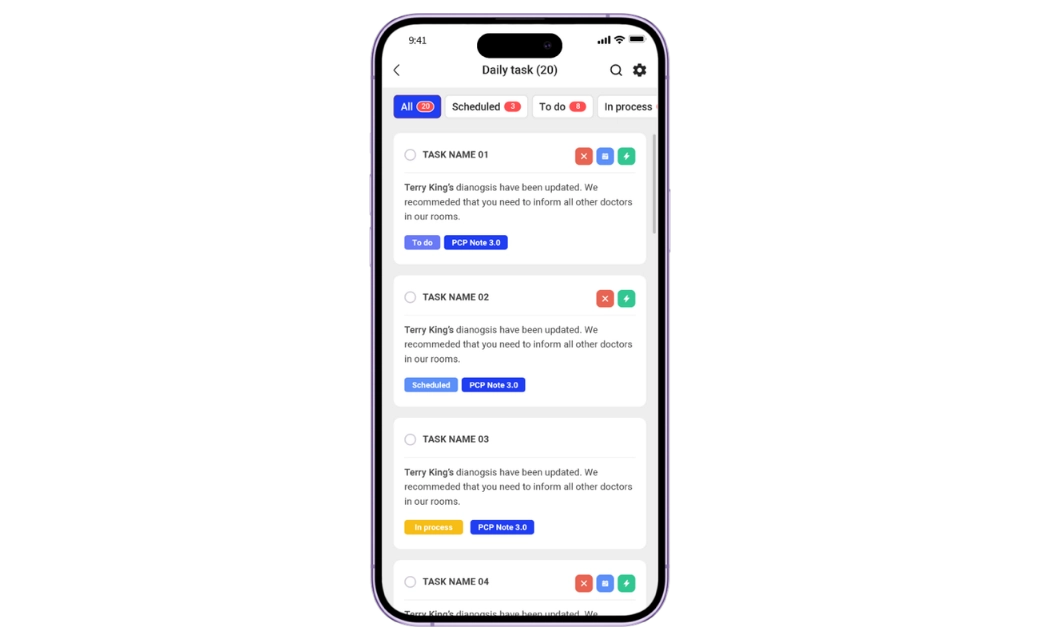
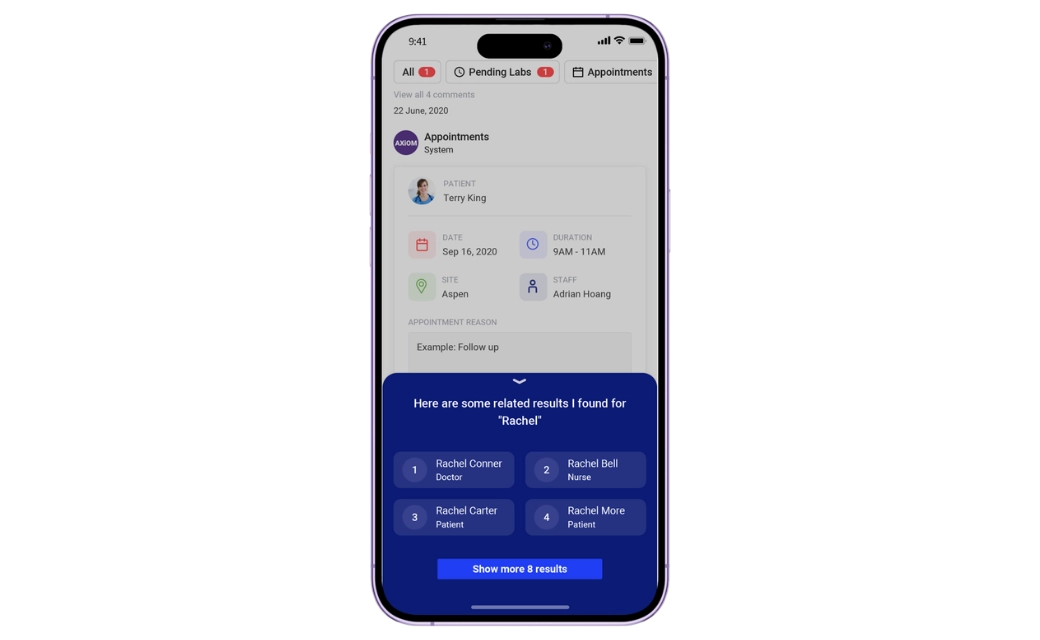
The client needed a platform for smooth communication, information transfer, appointment scheduling, and healthcare news between doctors and patients. The application had to work as an intelligent personal assistant. The platform covers seven requirements. 

  • Managing appointments 
  • Following up on patient information 
  • Messaging, video calling, and audio calling with a group or with one doctor or patient 
  • Following healthcare news 
  • Reminders for doctors and patients about upcoming appointments, plans, and other items 
  • Document signing 
  • API development to connect separate systems 

Our Technologies

Our team held regular internal meetings to handle the client’s requirements. We reviewed our products and services often and incorporated current technology. We followed six steps to choose the right technology for this project. 

01
Requirement identification
02
Market research
03
Technology assessment
04
Review of the development staff
05
Future scalability
06
Technology testing
Process Image

We used the following technologies for the project. 

  • Data: SQL Server 2019, SQLite 
  • Backend: ASP.NET 6.0, SignalR, Swagger, multi-tenancy concept 
  • Mobile: React Native for cross-platform app development 
  • Communication and AI: Agora.io (WebRTC), Artificial intelligence (LUIS AI) 

Challenges

  • Subscription Management: The customer support team needed an interface to manage and monitor client subscriptions with ease. 
  • Users With Limited IT Skills: The design had to work for users with limited IT skills. 
  • Drag-and-Drop Scheduling: The software has interactive scheduling screens with drag-and-drop. 
  • Interactive PDFs: The web application had to produce interactive PDFs that users can fill out easily on mobile. 
  • Real-Time Messaging: The application has real-time messaging, plus push and SMS notifications. 
  • Video and Audio Calls: The application supports video and audio calls. 
  • Data Management: A complete database system had to handle employee, patient, and supplier data well. 
  • Natural Language Processing: The platform needed NLP (natural language processing). 
Challenges Image
Solutions Image

Solutions

  • Multi-Tenancy: We applied several tenancy models across the database, server, and client-side code. 
  • User-Centric Design: We took a user-centric approach and used feedback from non-technical users. 
  • SignalR for Real-Time Data: We used SignalR to handle real-time data efficiently. 
  • Agora for Calls: We used Agora to provide video and audio communication. 
  • Electronic Signatures: We used external libraries to manage electronic signature functions. 
  • LUIS AI: We used LUIS AI for effective natural language processing. 

Reporting

TechTIQ Solutions

From the start of the project, we held internal daily meetings to streamline daily work reports. 

Every two weeks, the client-side team and our team met for a review session to show deliverables and gather feedback. 

Building A Team

Setting up a dedicated development team for a client follows several key steps. These are the same steps we use whenever we form a delivery team. 

Feature Image

We study the client’s business goals, project scope, preferred tech stack, timeline, and budget. 

The team can include software developers, QA specialists, UX and UI designers, project managers, and other roles. 

We used project management applications, online discussion boards, and video conferencing to keep communication simple. 

We used an agile approach such as Scrum or Kanban for continuous improvement and frequent feedback. 

We defined the scope, set goals, built a project plan, managed risks, set a timeline, and tracked progress, so the product was delivered on time and on budget. 

Regular reports kept the project transparent and consistent. 

We review team performance regularly, find areas to improve, and take corrective action. 

Why Partner With Us

Healthcare platforms serve both clinicians and patients, so the design has to work for everyone. Here is how we approach them. 

Design for Non-Technical Users: We bring feedback from users with limited IT skills into the design. 

Real-Time Communication: We use SignalR and Agora for live data, video calls, and audio calls. 

Multi-Tenant SaaS Design: We apply tenancy models across the database, server, and client code. 

AI Assistance: We use LUIS AI so the app can act as an intelligent personal assistant. 

Agile Delivery: Agile work allows quick changes, so the client can improve its technical capability sooner. 

Related Projects

Custom Software Development
Fleet Management Platform

Fleet Management Platform

How we built a B2B fleet management platform covering bookings, fleet tracking, and operations for a transport company in Australia and New Zealand.
Detail arrow
Back2Top