
Custom Software Development

Fleet Management Platform

Hybrid Model

Managing travel and transport services across multiple stakeholders is no small task. Our client, a leading vehicle leasing and transport company in Australia and New Zealand, had a working prototype but was held back by manual processes and disconnected systems. They needed a trusted technology partner to turn that prototype into a scalable, fully digitized B2B platform.


The result is a centralized fleet management platform built for three distinct user types:


  • Travel Agencies: search, book, and manage hotel and car reservations
  • Transportation Companies: manage fleets, drivers, and bookings
  • Admins: oversee the entire platform, users, bookings, reports, and commissions


From user authentication and role-based access control to integrated payments and booking management, the platform brings everything these three user groups need into a single, connected system.

Share
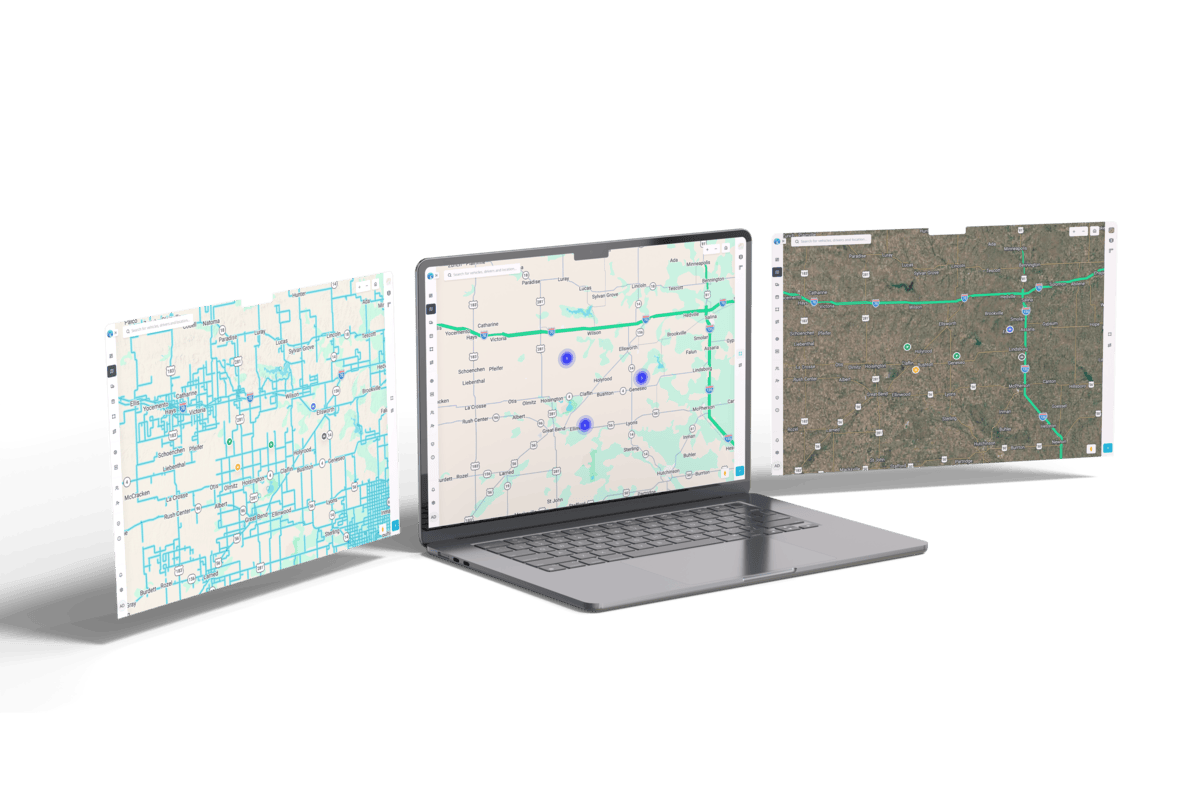
Overview Image

What The Client Required

The client was dealing with fragmented systems and a heavy manual workload across their operations. Here is what they needed the platform to solve: 

  • Simplified bookings for travel agencies: Give agencies a straightforward way to search, book, and manage hotel and car reservations without relying on back-and-forth emails or spreadsheets. 
  • Better tools for transportation companies: Allow transport providers to list bookings, manage their fleet and drivers, and keep track of client relationships in one place. 
  • Full visibility for administrators: Give admins complete control over users, property listings, bookings, and commission tracking, with clear insight into payments and key performance metrics like revenue. 
  • Standardized processes across the board: Replace inconsistent workflows with a unified system for booking, payment, and communication that works reliably across all service providers and agencies. 

Our Technologies

To build a platform of this scale, we used a modern, production-grade tech stack designed for performance, flexibility, and long-term maintainability. 

  • Frontend: React.js, React Router, Redux, Material UI, Ant Design 
  • Backend: Spring Boot, Spring Security, Spring Data JPA / Hibernate, Spring Batch, Spring WebSocket / MQTT, Visual Basic (Vessel Case) 
  • Messaging and Event Streaming: Apache Kafka, Apache Camel 
  • Databases: PostgreSQL, MongoDB, MSSQL 
  • Authentication and Identity: Keycloak, Custom RBAC Systems 
  • External APIs and Integrations: OpenStreetMap / Google Maps, Twilio / SendGrid, RESTful APIs, ESB 
  • DevOps and Infrastructure: Docker, Kubernetes, CI/CD Pipelines, Redis, MinIO 

Challenges

  • Inconsistent user permissions across the platform led to confusion and poor account control, with no reliable way to track who had access to what. 
  • Inefficient driver and vehicle assignments caused delays, as managers had no real-time visibility into availability or scheduling. 
  • Disconnected tracking systems meant crew movements and certifications were hard to monitor, leading to errors and compliance risks. 
  • No automated alerting for critical events like speeding or expired certifications, so issues were often caught too late. 
  • Manual report preparation was time-consuming and offered limited options for filtering or exporting data. 
  • Spreadsheets, emails, and manual data entry drove the entire booking workflow, causing delays, errors, and operational inefficiencies. 
  • Managing a large driver and trip database manually made it difficult to keep records accurate and track every change over time. 
  • No geofencing enforcement made it hard to control vehicle routes. 
  • Multiple payment methods slowed down reconciliation and made it difficult to meet GDPR requirements, financial controls, and audit standards. 
  • Legacy systems could not keep up with growing operational demands, and integrating with external systems was unreliable. 
Challenges Image
Solutions Image

Solutions

  • Role-based access control: Built a secure login system with admin-driven RBAC, giving every user the right level of access while keeping full audit trails with IP address and timestamp logging. 
  • Smart scheduling and availability tools: Created scheduling and availability check tools so managers could assign the right driver and vehicle instantly, cutting down on delays and miscommunication. 
  • Integrated IoT and real-time GPS tracking: Connected an IoT hub with live GPS tracking so crew movements and locations could be monitored accurately at all times. 
  • Rule-based event and alert engine: Built an automated alerting system that triggers instant notifications for critical events. Managers can configure notification schedules and acknowledgment rules to make sure nothing gets missed. 
  • Prebuilt report templates with export options: Introduced ready-made report templates with fast export to PDF and Excel, with strong filtering support and the ability to handle large data sets. 
  • Fully digitized booking workflow: Replaced manual processes with an end-to-end digital workflow covering onboarding, approvals, booking, payment, and reporting for both hotel and car bookings. 
  • Smart tables with search, filter, and audit logs: Built easy-to-use driver and trip management tables with validation forms and full audit logging to keep records accurate and changes traceable. 
  • Map-based geozone and route management: Implemented a geofencing system with real-time alerts that notify managers immediately when a vehicle moves outside its assigned zone. 
  • Automated payment reconciliation and compliance tools: Integrated payment gateways to handle reconciliation automatically, with role-based access control, data encryption, and GDPR-compliant workflows built in. 
  • Microservices architecture with seamless integrations: Adopted microservices architecture, CI/CD pipelines, and an Enterprise Service Bus to support reliable, scalable external integrations. 

Design Process

The goal was to create a platform that felt intuitive for three very different user groups, all within a single unified system. The main design challenge was balancing usability and functionality without overwhelming any one type of user. 

Feature Image

To understand how users actually work, the team conducted thematic analysis and affinity mapping to uncover patterns in user needs and behaviors. This research shaped two detailed user personas, each representing a real user type with specific goals, frustrations, and motivations. 

Akif Mohammed, Fleet Operations Manager Akif manages 50+ trucks daily, handling dispatch, shipment tracking, and client updates. He needs everything in one place so he can make fast decisions without picking up the phone. His biggest frustrations were constantly switching between tools, delayed location updates, and limited visibility into driver performance. 

Alton Harden, Truck Driver Alton is a long-haul driver with over 15 years of experience. He relies on mobile apps for work and needs a simple, smooth experience on the road. Cluttered interfaces, poor connectivity, and unclear delivery instructions were his main pain points.

With a clear picture of user needs, the team mapped out user flows to understand how each user type moves through the platform, the decisions they make, and where friction could occur. Low-fidelity wireframes followed, helping visualize layouts and test ideas early before moving into detailed design work. 

The team chose Open Sans as the primary typeface for its clean, modern look and strong readability across all screen sizes. Its flexible weights and neutral tone keep the interface consistent and easy to navigate, whether users are scanning a dashboard or filling out a form. 

Related Projects

Do you need specific Case studies for Your industry?

We are always ready to assist you. Reach out to us today
Back2Top