


Which Is the Best Payment Gateway in Singapore? Top 7 Providers in 2026

 Updated on Oct 02, 2026
If you run an online business in Singapore, picking the right payment gateway is not just a technical decision. It directly affects your checkout experience, your conversion rates, and how much you pay per transaction, especially if you are selling to international customers across Southeast Asia. According to Baymard Institute, the average cart abandonment rate sits at 70.22% across 50 studies, with a complicated checkout process and limited payment methods among the leading causes.
Singapore’s eCommerce market is mature and fast-moving, generating over USD 18 billion in 2025 alone. Shoppers here expect fast, secure, and flexible payment options, whether they are buying from a lean D2C brand or a mid-sized retailer.
But with so many payment gateway providers offering different fees, features, and supported payment methods, the options can feel overwhelming.
This guide covers the top payment gateway Singapore businesses are using in 2026, what each one does well, and what to watch out for. If you are also thinking about how your gateway connects to your broader eCommerce setup, TechTIQ Solutions builds and integrates eCommerce websites designed to convert, not just display.
Key Takeaways
- Payment gateway fees go beyond the transaction rate. Factor in monthly fees, currency conversion charges, and chargeback costs to get a true picture of what you are paying.
- A reliable payment gateway in Singapore should support local payment methods like PayNow and GrabPay alongside international card networks.
- Fraud detection and PCI DSS Level 1 compliance are non-negotiable. Confirm what protection is active by default before committing to a provider.
- For businesses selling across Southeast Asia, choose an international solution that handles multi-currency settlements without excessive conversion fees.
- The best payment solution for your business is the one that fits your platform, your customers, and your transaction volume, not just the one with the most brand recognition.
What Is a Payment Gateway?
A payment gateway is the technology that connects your online store to the banking system. When a customer clicks “pay,” the gateway encrypts their payment details, sends them to the relevant bank or card network for approval, and returns a response in seconds. If approved, the transaction goes through. If declined, the customer is notified immediately.
For Singapore businesses, a payment gateway in Singapore also needs to support local payment methods like PayNow and GrabPay, alongside international options like Visa, Mastercard, and Stripe. That combination is what separates a gateway that works for your market from one that just technically functions.
Key Benefits of Using the Right Payment Gateway
Before diving into specific providers, here is why your gateway choice has a direct impact on your bottom line.
Faster checkout, lower cart abandonment
A slow or complicated checkout is one of the top reasons shoppers leave without buying. 18% of online shoppers have abandoned an order because the checkout process was too long or complicated.
The right payment solution streamlines this, with fewer steps, faster load times, and a smoother experience from cart to confirmation.
Built-in fraud detection and chargeback protection
Every online transaction carries risk. A reliable fraud detection payment gateway uses real-time monitoring, machine learning, and rule-based filters to flag suspicious activity before it becomes a chargeback.
For Singapore businesses handling cross-border payment gateway transactions, this layer of protection is not optional. It is what keeps your revenue and your reputation intact.
Multi-currency and cross-border payment support
If you are selling beyond Singapore, your gateway needs to handle more than SGD. The best international payment gateway options support multiple currencies, offer competitive exchange rates, and settle funds in your preferred currency without excessive conversion fees. This is especially relevant for businesses targeting customers across Southeast Asia.
Seamless integration with your eCommerce stack
A good payment gateway should connect cleanly with your existing platform, whether that is Shopify, WooCommerce, or a custom-built store. Poor integration creates technical debt, breaks the checkout flow, and increases your development costs over time. When your gateway fits your stack, everything from order management to reporting runs smoother.
Top 7 Payment Gateway Providers in Singapore (2026)
Choosing a payment gateway in Singapore comes down to your business model, your customer base, and how your tech stack is built. Here is a breakdown of the top options Singapore businesses are using in 2026.
| Provider | Card Payment Methods | Alternative Payment Methods | Fees (Domestic / International) | Special Features | Best For |
| Stripe | Visa, Mastercard, Amex, JCB, Link, UnionPay, Maestro | 125+ | Domestic: 3.4% + SGD 0.50 / International: 3.8% + SGD 0.50 | Stripe Radar fraud detection, recurring billing, clean API | Tech-forward businesses and custom-built stores |
| PayPal | Visa, Mastercard, Amex, UnionPay, Discover | 10+ | Domestic: 3.9% + SGD 0.50 / International: 4.4% + SGD 0.50 | Buy now pay later, one-touch checkout, buyer and seller protection | Businesses targeting international customers |
| Shopify Payments | Visa, Mastercard, Amex, Express, UnionPay | 6 | Domestic: 3.2% + SGD 0.50 / International: 3.6% + SGD 0.50 | Zero third-party transaction fees for Shopify merchants, fraud analysis | Shopify store owners |
| Airwallex | Visa, Mastercard, Amex, UnionPay, JCB, Discover, Diners Club | 160+ | Domestic: 3.30% + SGD 0.50 / International: 3.60% + SGD 0.50 | Real interbank FX rates, multi-currency accounts in 60+ countries | Businesses with high cross-border transaction volume |
| Adyen | Visa, Mastercard, Amex, UnionPay, Discover, Diners, JCB | 9 | Processing: EUR 0.11 + Interchange + 0.60% per transaction | Direct card network connections, unified online and in-store commerce | Mid-to-large enterprises processing high volumes |
| Opn Payments | Visa, Mastercard, Amex, JCB | 14 | Domestic: 3.30% + SGD 0.30 / PayNow and Mobile Banking: 1.00% + SGD 0.15 | Developer-friendly API, strong SEA regional coverage | Businesses targeting Southeast Asia markets |
| eWAY | Visa, Mastercard, Amex, Discover, JCB | 3 | 1.5% + SGD 0.25 / Contact eWAY directly for international rates | Beagle fraud detection, fast 1 to 3 day settlement, PCI DSS Level 1 | Small to mid-sized businesses with Australian market ties |
1. Stripe
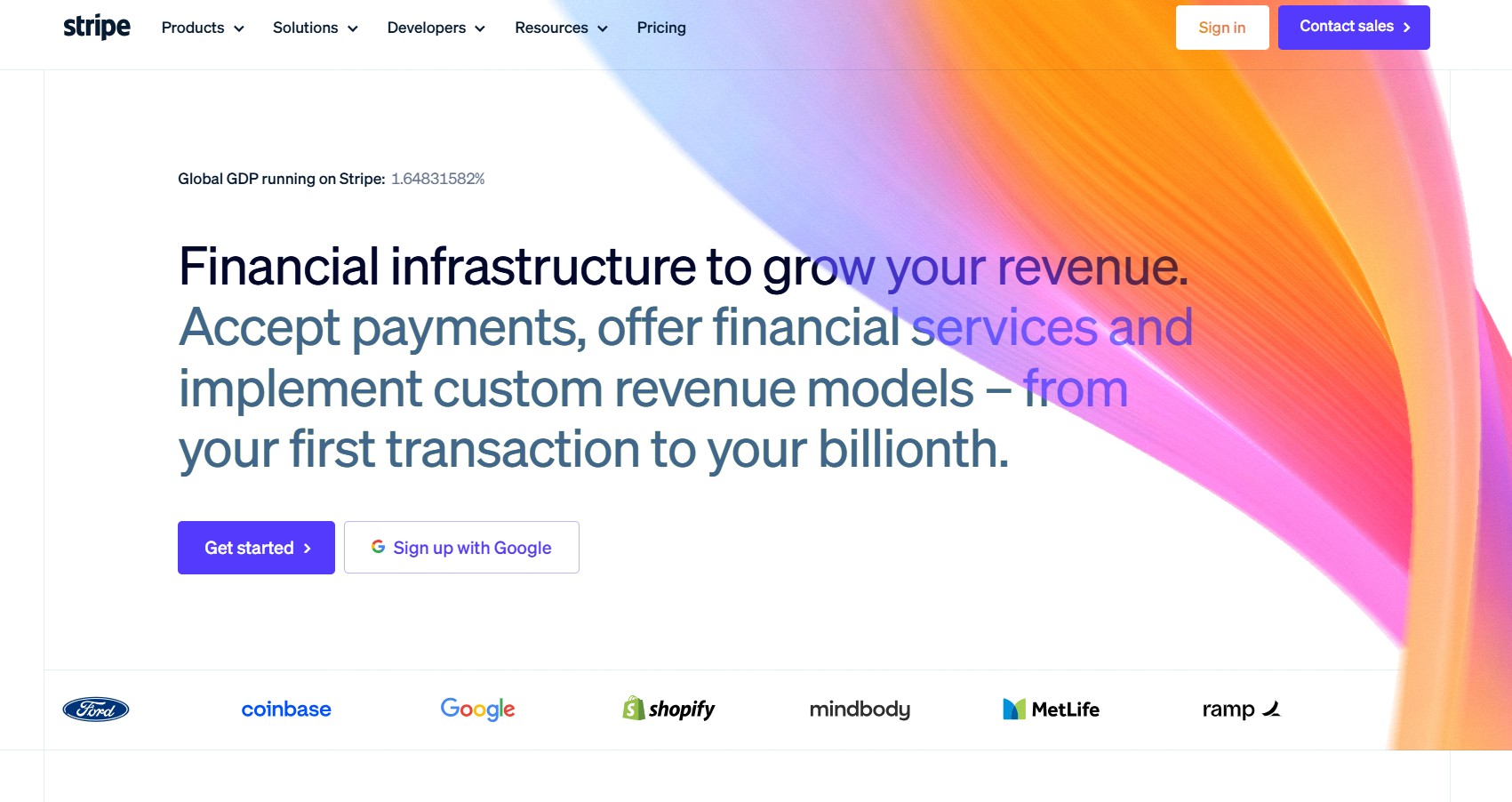
Stripe is one of the most widely used payment gateway providers globally, and a go-to choice for Singapore businesses that want flexibility without sacrificing reliability. It handles everything from one-time payments to recurring billing, and it scales cleanly whether you are running a lean startup or a high-volume eCommerce store. For Singapore merchants, Stripe supports local payment methods alongside international options, all under one dashboard.
Key Features:
- Supports 135+ currencies and multi-currency settlements
- Built-in fraud detection via Stripe Radar, powered by machine learning
- Native integrations with Shopify, WooCommerce, and custom-built stores
- Hosted payment pages and embeddable checkout UI components
- Recurring billing and subscription management tools
- Real-time reporting and analytics dashboard
Pricing:
- Domestic cards: 3.4% plus SGD 0.50 per transaction
- International cards: 3.8% plus SGD 0.50 per transaction
- Alternative payment methods: 1.3% to 3.3% per transaction
- No setup fees, no monthly fees
Pros and Cons:
| Pros | Cons |
|
|
Best for: Tech-forward businesses, custom-built eCommerce stores, and companies managing international transactions across multiple currencies.
2. PayPal
PayPal is one of the most recognized online payment gateway brands in the world, and that recognition carries real weight at checkout. For Singapore businesses selling to international customers, PayPal’s familiarity alone can increase buyer confidence and reduce drop-off, particularly with first-time shoppers who are cautious about entering card details on an unfamiliar site.
Key Features:
- Accepted in 200+ countries and supports 25 currencies
- Offers PayPal Pay Later as a built-in buy now pay later option
- Native integrations with Shopify, WooCommerce, and major eCommerce platforms
- Buyer and seller protection programs are built into every transaction
- One-touch checkout for returning PayPal users
- Mobile-optimized checkout via the PayPal app
Pricing:
- Domestic: 3.9% plus SGD 0.50 per transaction
- International: 4.4% plus SGD 0.50 per transaction
- Alternative payment methods: 3.9% to 4.4% plus SGD 0.50 per transaction
- No setup fees, no monthly fees for standard accounts
Pros and Cons:
| Pros | Cons |
|
|
Best for: Businesses targeting international customers who prioritize brand familiarity and built-in buyer protection over lower transaction fees.
3. Shopify Payments
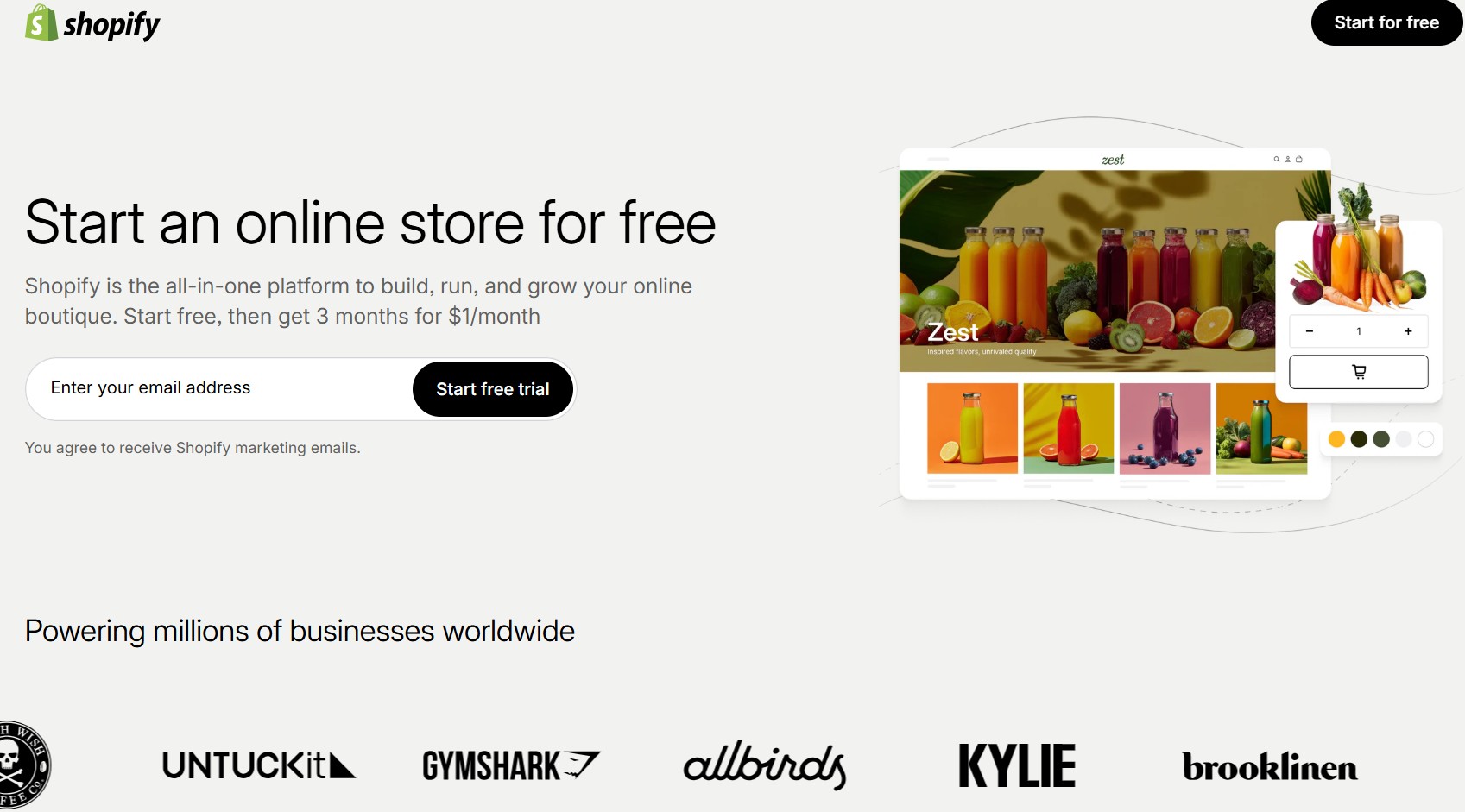
Shopify Payments is the native payment provider built directly into the Shopify platform. For Singapore businesses already running on Shopify, it is the most straightforward option available. Everything from payment processing to payouts sits inside your existing Shopify dashboard, with setup completed in minutes and no separate merchant account required.
Key Features:
- Fully integrated with Shopify, no third-party gateway setup required
- Supports major credit and debit cards, including Visa and Mastercard
- Supports local payment methods, including PayNow and GrabPay for Singapore merchants
- Built-in fraud detection and chargeback management tools
- Multicurrency selling with automatic currency conversion at checkout
- Unified dashboard for orders, payments, and payouts
Pricing: Online credit card rates for Singapore merchants vary by plan:
- Online Card Rates (Domestic): 3.2% plus SGD 0.50 per transaction
- Online Card Rates (Amex/International): 3.6% plus SGD 0.50 per transaction
- In-person (POS) Rates: 3% plus SGD 0.50 per transaction
- PayNow: 1.3% per transfer
Third-party transaction fees are waived when using Shopify Payments as your default gateway. A 2% currency conversion fee applies when receiving payments in a currency different from your payout currency. Payout times are typically around 4 business days.
Pros and Cons:
| Pros | Cons |
|
|
Best for: Singapore businesses running on Shopify who want a fully integrated Shopify payment gateway experience without managing a separate payment provider.
If you are looking to build or migrate your store, our Shopify development services can help you get set up the right way from the start.
4. Airwallex
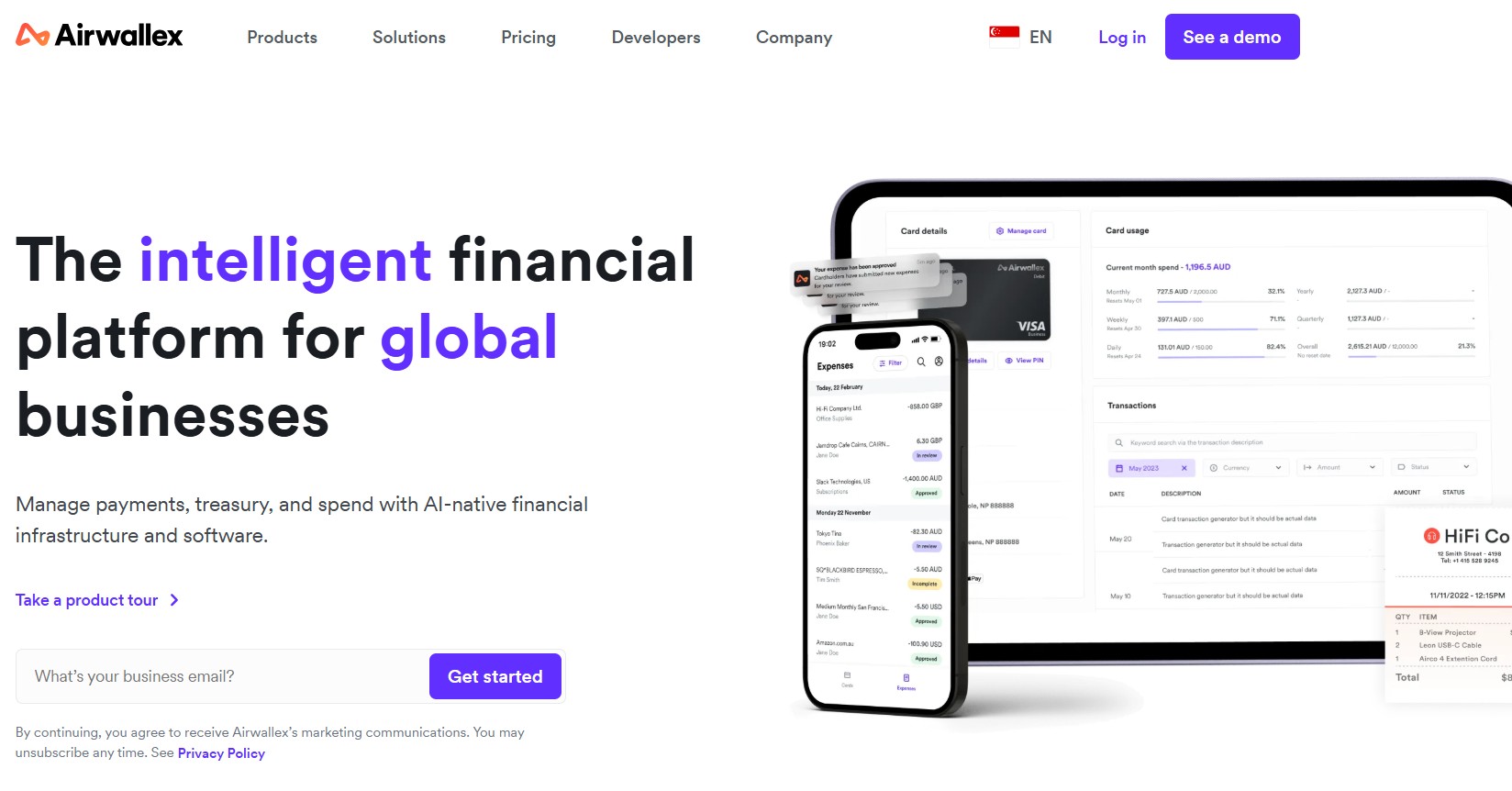
Airwallex is a Singapore-founded payment gateway built specifically for businesses that operate across borders. Unlike traditional gateways that bolt on international features as an afterthought, Airwallex was designed from the ground up for cross-border payment gateway Singapore transactions, multi-currency accounts, and global payouts. For businesses selling to customers across Southeast Asia and beyond, it is one of the most capable options available.
Key Features:
- Supports 160+ currencies with real-time foreign exchange rates
- Multi-currency business accounts with local account details in 60+ countries
- Native integrations with Shopify, WooCommerce, and major eCommerce platforms
- Fraud detection and risk management built into every transaction
- Global payouts to suppliers and partners without excessive conversion fees
- API-first architecture for custom integration
Pricing:
- Domestic Cards and Wallets (Visa, Mastercard, Amex, GrabPay): 3.30% plus SGD 0.50 per transaction
- International Cards and Wallets: 3.60% plus SGD 0.50 per transaction
- Local Payment Methods (PayNow, WeChat Pay): SGD 0.50 plus local payment method fees
- Subscription/Recurring Payments: 0.50% per successful card transaction
- No monthly fees, no minimum balance requirements
Pros and Cons:
| Pros | Cons |
|
|
Best for: Singapore businesses with significant international transaction volume, particularly those managing multi-currency payouts to suppliers or partners across Southeast Asia.
5. Adyen
Adyen is an enterprise-grade payment gateway used by some of the world’s largest brands, including Spotify, Uber, and McDonald’s. For Singapore businesses operating at scale, Adyen offers a level of payment infrastructure that most other gateways cannot match. It connects directly to card networks like Visa and Mastercard without intermediaries, which translates to better authorization rates and lower interchange costs for high-volume merchants.
Key Features:
- Direct connections to 200+ payment networks and card schemes globally
- Supports 250+ payment methods, including PayNow, GrabPay, Alipay, and WeChat Pay
- Advanced fraud detection tools via Adyen’s RevenueProtect engine
- Unified commerce capabilities across online, in-app, and in-store channels
- Real-time reporting and analytics across all payment channels
- Dedicated support for cross-border transactions in 150+ currencies
Pricing: Adyen charges a fixed processing fee plus a payment method fee per transaction:
- Processing Fee: EUR 0.11 per transaction
- Payment Method Fee: Interchange plus 0.60% per transaction
- No setup fees, no monthly fees
- Flexible payout options in your preferred currency
Pros and Cons:
| Pros | Cons |
|
|
Best for: Mid-to-large Singapore businesses and enterprises processing high transaction volumes who need a robust international payment solution with unified commerce capabilities.
6. Opn Payments (formerly Omise)
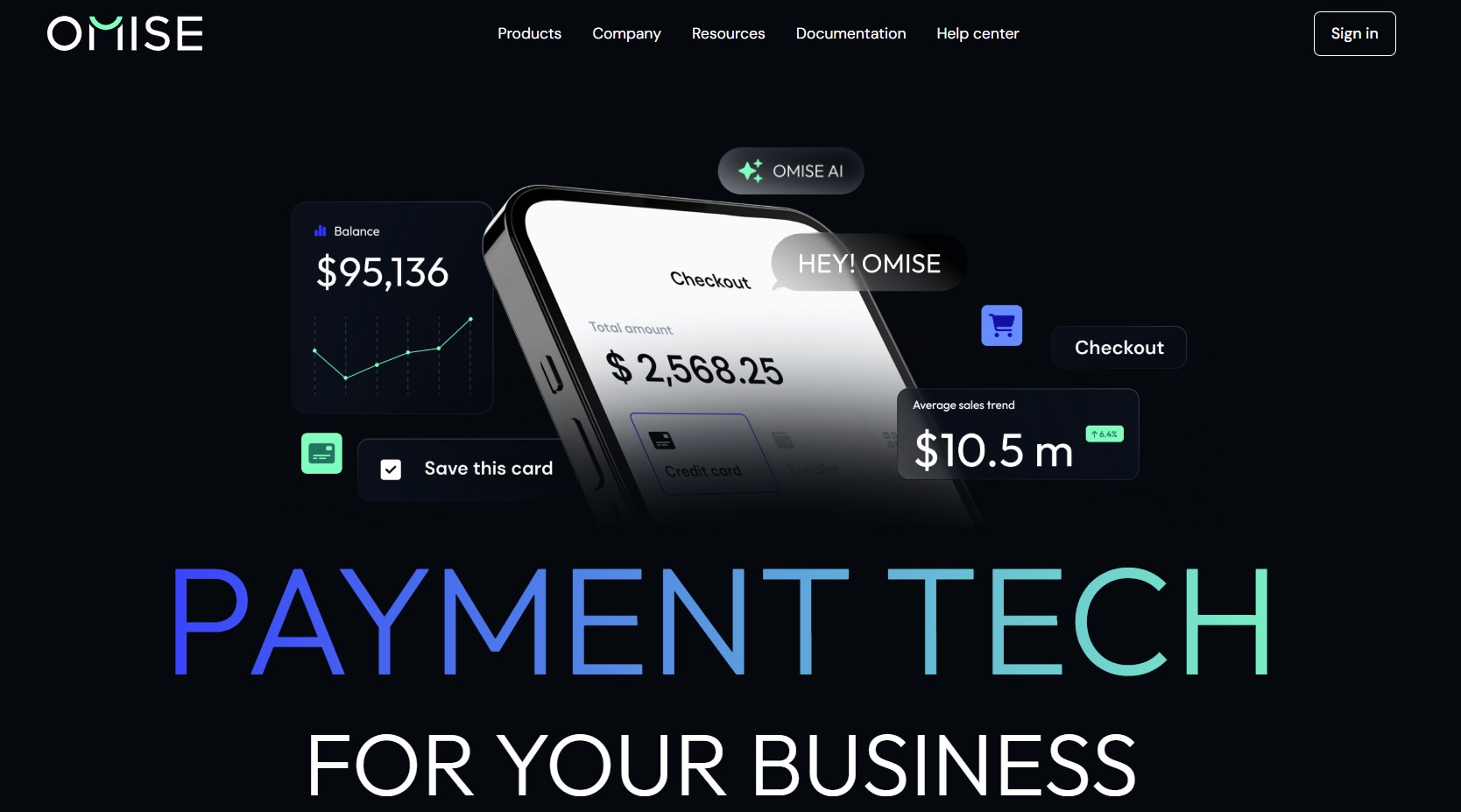
Opn Payments is a Southeast Asia-focused payment gateway provider that has built a strong presence across Thailand, Japan, and Singapore. For businesses looking for a regional online payment gateway in Singapore with a deep understanding of local market nuances, Opn Payments offers a practical alternative to the larger global players. It is particularly well-suited for businesses that need flexible integration without the complexity of enterprise-level onboarding.
Key Features:
- Supports major credit and debit cards, including Visa and Mastercard
- Accepts local payment methods, including PayNow and regional wallets across Southeast Asia
- Developer-friendly API with comprehensive documentation
- Supports recurring payment and subscription billing
- Built-in fraud detection and 3D Secure authentication
- Multi-currency support for cross-border transactions across the region
Pricing:
- Credit and Debit Cards (Visa, Mastercard, JCB, Amex): 3.30% plus SGD 0.30 per transaction
- Mobile Banking (OCBC Digital): 1.00% plus SGD 0.15 per transaction
- QR Payment (PayNow): 1.00% plus SGD 0.15 per transaction
- No setup fees or monthly fees for standard accounts
- Custom pricing available for high-volume merchants
Pros and Cons:
| Pros | Cons |
|
|
Best for: Singapore businesses targeting customers across Southeast Asia who need a regionally focused checkout solution with strong API capabilities and local payment method support.
7. eWAY
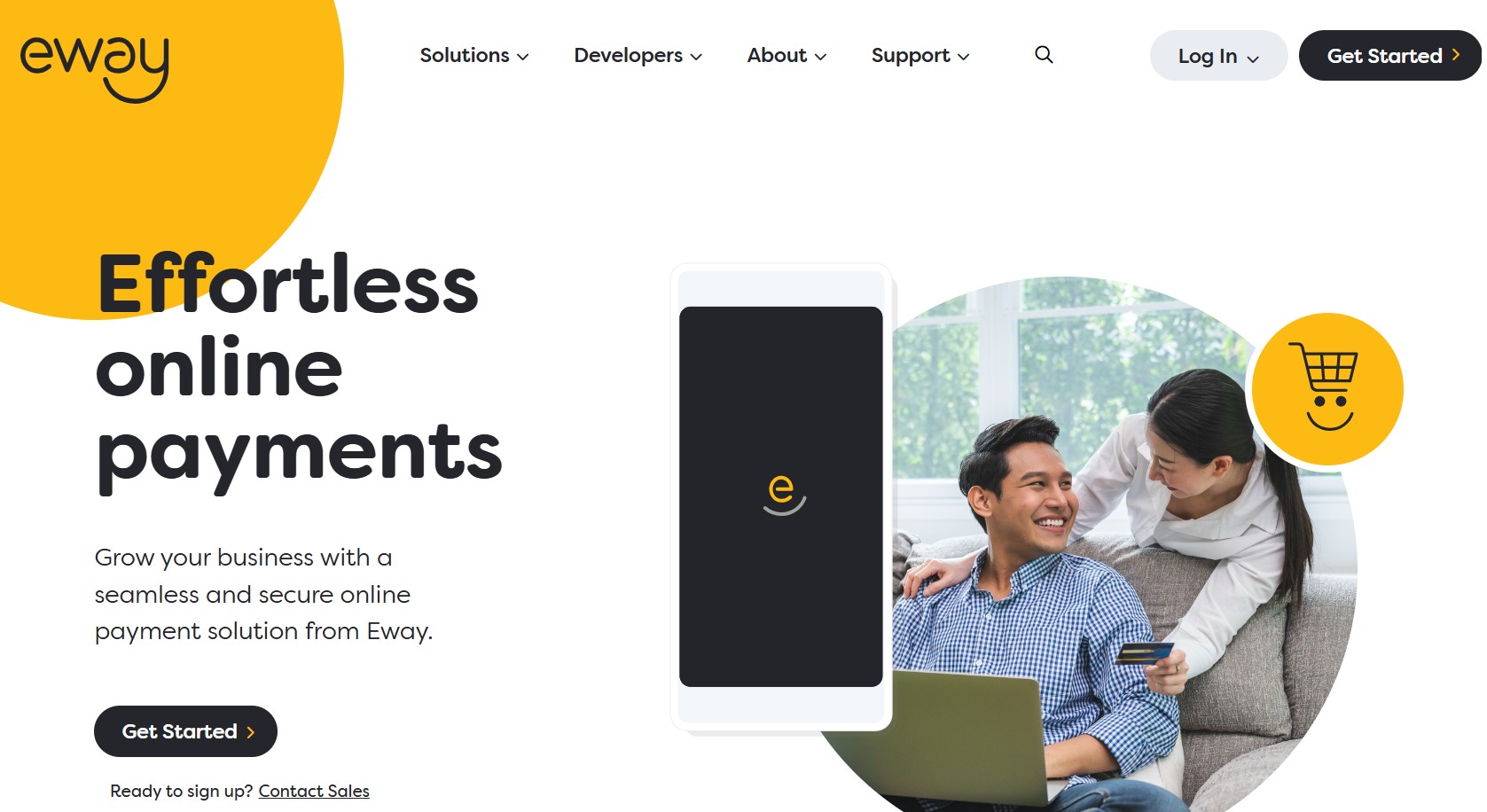
eWAY is an Australia-based payment gateway provider that has expanded its services across the Asia-Pacific region, including Singapore. It is a practical choice for businesses that already have ties to the Australian market or are looking for a reliable payment gateway for eCommerce in Singapore with straightforward setup and transparent pricing. eWAY focuses on simplicity, making it accessible for small to mid-sized businesses that want a dependable solution without enterprise-level complexity.
Key Features:
- Supports Visa, Mastercard, Amex, Discover, and JCB
- Subscription and recurring billing management
- Pre-authorization, refunds, and token payment support
- Built-in fraud detection via eWAY’s Beagle Fraud Alerts system
- 256-bit SSL encryption and PCI DSS Level 1 compliance
- Integrations with WooCommerce, Magento, Opencart, and Shopify
- Fast settlement with 1 to 3 business-day payout times
Pricing:
- Transaction Fee: 1.5% plus SGD 0.25 per transaction (Visa, Mastercard, Amex)
- Setup Fee: None
- Monthly Fee: Varies by plan, pay-as-you-go options available
- Volume discounts available for high-volume merchants. Contact eWAY sales directly for custom pricing.
Pros and Cons:
| Pros | Cons |
|
|
Best for: Small to mid-sized Singapore businesses looking for a straightforward eCommerce checkout solution with reliable fraud protection and simple onboarding, particularly those with existing ties to the Australian market.
How to Choose the Right Payment Gateway in Singapore for Your Business
With so many international payment gateway providers in Singapore available, the right choice comes down to a few key factors specific to your business model and customer base. Here is what to evaluate before you commit.
Fee structure and transaction pricing
Payment gateway fees add up faster than most businesses expect. Beyond the headline transaction rate, look at what you are paying across the full fee schedule, including transaction rates, monthly platform fees, currency conversion charges, chargeback fees, and setup costs.
For Singapore businesses processing high volumes, even a 0.2% difference in transaction rates can translate to thousands of SGD annually. Compare the total cost of ownership, not just the per-transaction rate.
Fraud detection and security compliance
Any Singapore payment gateway you consider should meet PCI DSS Level 1 compliance at a minimum. Beyond that baseline, look for real-time transaction monitoring, 3D Secure authentication, machine learning-based risk scoring, and chargeback dispute management tools.
For businesses handling cross-border transactions, robust fraud detection is especially critical as international transactions carry a higher chargeback risk.
Supported local and alternative payment methods
Singapore shoppers expect more than just Visa and Mastercard at checkout. A competitive Singapore payment gateway should support local methods like PayNow and GrabPay, regional wallets like Alipay and WeChat Pay for SEA customers, and buy now pay later options for higher average order values.
The more payment options you offer, the lower your abandonment rate. Limiting customers to card-only payments in 2026 is a conversion problem waiting to happen.
Integration flexibility and developer support
How a payment processor connects to your existing stack matters as much as its features. Check whether it has a native plugin for your platform, how clean and well-documented the API is, and what level of developer support the provider offers.
Poor integration creates checkout friction, increases development time, and raises your long-term maintenance costs.
Settlement speed and payout reliability
Settlement speed directly affects your cash flow. When comparing Singapore payment gateway providers, confirm the standard payout timeline, whether faster settlement is available at your transaction volume, and any holding periods that apply to new merchants or high-risk categories.
For small and mid-sized Singapore businesses managing tight cash flow cycles, a gateway that holds funds for extended periods can create real operational pressure.
What Types of Businesses Need a Payment Gateway in Singapore?
A payment gateway is not exclusive to large eCommerce retailers. Any Singapore business that collects money online, whether for products, services, or bookings, needs a reliable way to process those transactions securely and efficiently.
eCommerce stores are the most obvious use case, but these solutions are just as relevant across many other business types:
- eCommerce stores selling physical or digital products online
- Service-based businesses invoicing clients and collecting payments digitally
- Healthcare providers processing appointment and consultation fees online
- Educational institutions collecting tuition and course fees through their website
- Event organizers selling tickets and managing registrations online
- Digital content creators monetizing subscriptions, downloads, or memberships
For Singapore businesses operating across multiple channels, the right online payment system also needs to handle both one-time and recurring transactions without requiring separate systems for each. The more seamlessly your gateway fits into how your business actually collects money, the less friction your customers experience at every touchpoint.
Read more: How to Start an E-commerce Business in Singapore
Get Your Payment Gateway Live Faster with TechTIQ Solutions
Most Singapore businesses do not struggle to pick a payment gateway. They struggle to get it working properly on their website.
A misconfigured checkout, missing local payment methods, or a gateway that conflicts with your existing platform can quietly drain your conversion rate long after launch. Getting the integration right from the start matters more than most businesses realize.
At TechTIQ Solutions, we build eCommerce websites for Singapore businesses where payment is part of the build from day one. Your gateway is set up, your local payment methods like PayNow and GrabPay are ready at checkout, and everything is tested end-to-end before your site goes live.
If you are launching an eCommerce store in Singapore and want a checkout experience that is built right from the start, we are happy to walk you through what that looks like for your specific setup. Contact us today.
FAQs
What are the different types of payment gateways?
There are three main types of payment gateways businesses can choose from.
Hosted gateways redirect customers to a third-party payment page to complete their transaction. PayPal is a common example.
Self-hosted gateways collect payment details directly on your website and send them to the payment processor, giving you more control over the checkout experience but requiring stronger security measures on your end.
API-based gateways offer the most flexibility, allowing developers to build fully custom checkout flows that keep customers on your site throughout the entire transaction.
For most Singapore businesses, the right type depends on your technical capabilities, your security requirements, and how much control you want over the customer experience at checkout.
Which payment gateway has the lowest fees in Singapore?
Among the options covered in this guide, eWAY and Opn Payments offer some of the more competitive rates for Singapore merchants, with transaction fees starting at 1.5% and 3.30%, respectively.
However, the cheapest payment gateway Singapore businesses should look for depends on more than just the transaction rate. Monthly fees, currency conversion charges, and chargeback costs all factor into your total cost.
For high-volume businesses, Adyen’s interchange plus pricing often works out cheaper over time despite the higher baseline complexity.
What currencies and local payment methods are supported?
Most leading payment gateway providers in Singapore support major international currencies, including USD, EUR, GBP, and SGD as standard.
For local payment methods, look for gateways that support PayNow and GrabPay, as these are widely used by Singapore shoppers.
If you are selling across Southeast Asia, regional wallets like Alipay and WeChat Pay are also worth confirming with your provider.
How secure are payment gateways for online transactions in Singapore?
The best payment gateway companies in Singapore are required to meet PCI DSS Level 1 compliance, which is the highest security standard for handling cardholder data. Beyond that baseline, most gateways layer on additional protections, including 3D Secure authentication, SSL encryption, and real-time fraud detection monitoring.
For Singapore businesses, it is also worth checking whether your chosen gateway complies with MAS (Monetary Authority of Singapore) guidelines on digital payment security.
How long does payment gateway integration take?
The timeline depends on how your website is built and which payment system you are integrating.
For platforms like Shopify with native plugins, basic integration can be completed in a day or two.
For custom-built stores requiring API integration, the process typically takes one to two weeks, depending on the complexity of your checkout flow, the number of payment methods being configured, and how much testing is required before go-live.
Can I add a payment gateway to my existing site or app?
Yes, and in most cases, it is more straightforward than businesses expect.
Most providers offer plugins or extensions for popular platforms like Shopify, WooCommerce, and Magento that connect to your existing setup without requiring a full rebuild.
For mobile apps or custom-built websites, integration is done via the gateway’s API, which most providers document thoroughly for developers. The main thing to confirm before you start is that your chosen payment gateway in Singapore is compatible with your current platform version and supports the local payment methods your customers expect at checkout.
Final Thoughts
There is no single best payment gateway Singapore businesses should all be using. The right choice depends on your transaction volume, your customer base, the payment methods your market expects, and how your website or app is built.
The seven providers covered in this guide each have genuine strengths. Take the time to match their features and pricing against your specific situation, and you will be in a much stronger position than businesses that default to the most recognizable name without thinking it through.


Related articles

School Management System (SMS) Guide for Singapore Schools 2026
 Bruce Pham
  07 Oct 2026
Fleet Management System (FMS) Guide 2026: Features, Benefits & Singapore Rules
01 Oct 2026 
Learning Management System (LMS) Guide for Singapore Education (2026)
15 Sep 2026 
What Is a Transportation Management System (TMS)?
04 Sep 2026 
Ecommerce Trends in Singapore: What You Need to Know for 2026
26 Dec 2024 
How to Start an E-commerce Business in Singapore
26 Dec 2024 


