


10 Minimum Viable Product Examples for Startups That Want to Win Early

 Updated on Oct 01, 2026
Every founder has a moment where they think: “What if I build the whole thing and nobody shows up?” That fear is real. And for startups in Singapore and across Southeast Asia, it is even more costly when budgets are tight, and investor patience is short.
Here is the truth. The companies you admire most today did not start with a polished, feature-complete product. They started with something raw, scrappy, and good enough to answer one question: Does anyone actually want this? The examples of MVP products we know today tell that story better than any framework ever could.
At TechTIQ Solutions, we work with founders who are at exactly that crossroads. Below, we break down the best minimum viable product examples so you can build smarter from day one.
What Is a Minimum Viable Product (MVP)?
A minimum viable product is the leanest version of your product that real users can actually try, functional enough to test whether your core idea solves a real problem.
For a deeper look at how the concept works and what goes into building one, our guide to the meaning and elements of a minimum viable product breaks it all down.
What Does NOT Count as an MVP?
A prototype is not an MVP. It is an internal mockup used to communicate a design concept to your team and cannot be released to real users.
A proof of concept (PoC) is not an MVP either. It tests whether something can be built technically, not whether the market actually wants it.
A minimum viable product is neither a plan nor a draft. It is a functioning product released publicly so real users can interact with it and give you honest feedback that shapes what you build next.
Top MVP Types Startups Actually Use
Not all MVPs are built the same way. The right approach depends on your product, your market, and what assumption you are trying to validate first.
Landing Page MVP
A landing page MVP is one of the fastest ways to test demand before writing a single line of code. You build a simple page describing your product, drive traffic to it, and measure how many visitors sign up, click a call-to-action, or join a waitlist. Buffer and Groupon are two of the most referenced MVP website examples that started with nothing more than a basic web presence.
Wizard of Oz MVP
In a Wizard of Oz MVP, the product looks automated from the outside but is manually operated behind the scenes. Users interact with what feels like a real product while the team fulfills everything by hand. The Zappos and Aardvark stories are among the most well-known Wizard of Oz MVP examples, and both demonstrate how much you can learn before automating a single part of the experience.
Concierge MVP
A concierge MVP is similar to the Wizard of Oz approach but more transparent. You deliver the service manually and directly to a small group of users, with no automation. The goal is to learn exactly what customers need before building any technology around it.
Single-Feature MVP
A single-feature MVP strips the product down to one core function and ships only that. It is the purest form of the lean startup principle: build the minimum that solves the problem, nothing more.
Explainer Video MVP
An explainer video MVP validates demand through storytelling before any product exists. Dropbox famously used a simple demo video to generate 75,000 signups overnight, proving the market wanted the product before a single line of code was written.
Piecemeal MVP
A piecemeal MVP combines existing tools and third-party services to simulate a product without building anything from scratch. It is a practical approach for startups that want to test a workflow or service model quickly and cheaply using tools that already exist.
Top 10 Minimum Viable Product Examples
These examples of MVP products are not just success stories. They are repeatable blueprints that show how the world’s most recognized companies validated their ideas before building the full product.
1. Dropbox — Validate With a Video First
Before Dropbox built anything, founder Drew Houston recorded a simple demo video showing how the product would work. There was no actual product behind it, just a three-minute walkthrough of an idea that had not yet been written in code. [Source: Dropbox]
The video generated 75,000 signups overnight. That single data point confirmed that the demand was real and gave the team the confidence to invest in actually building the product.
The lesson here is that an MVP does not always have to be software. Sometimes a well-made video is all you need to validate a startup MVP idea before spending a dollar on development.
2. Airbnb — Prove the Concept Manually
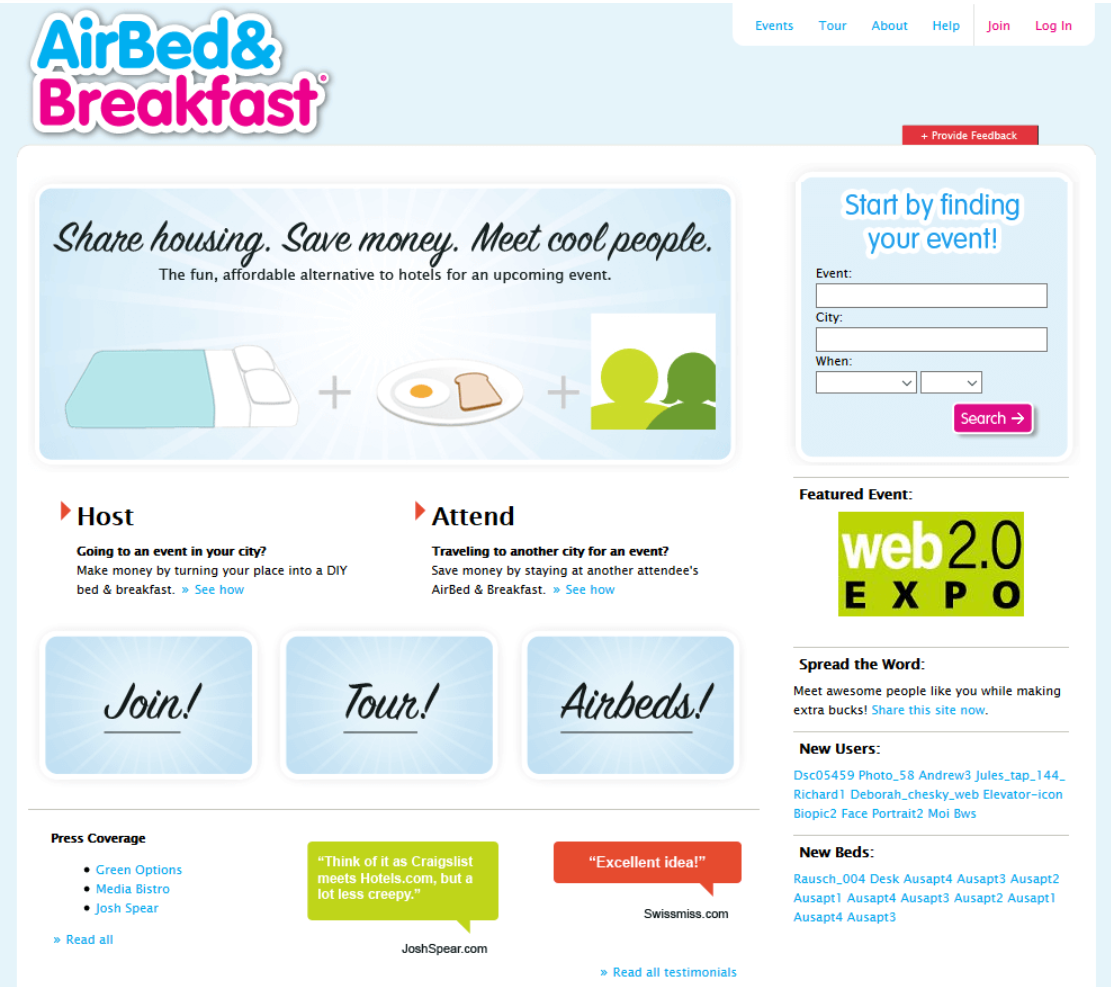
The founders of Airbnb needed to cover rent. So they photographed their own apartment, built a basic website, and listed three air mattresses with breakfast included.
The entire operation was manual and deliberately bare-bones, but that was exactly the point. They were not trying to build a platform. They were trying to answer one question: Would strangers actually pay to stay in someone else’s home?
They did. That single concierge MVP experiment validated the entire business model and gave the founders the proof they needed to keep building. What started as a rent workaround eventually became a global hospitality platform valued at over $75 billion. [Source: Airbnb]
3. Zappos — Test Demand Without the Inventory
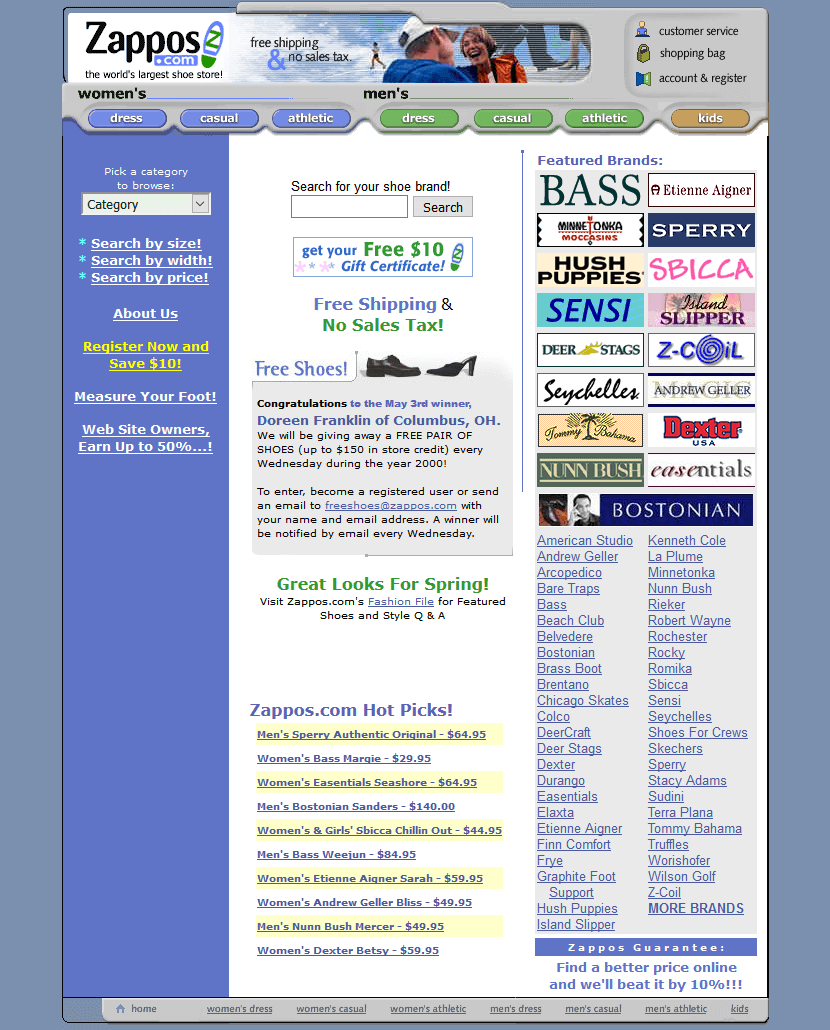
Zappos founder Nick Swinmurn wanted to know if people would buy shoes online without trying them on first. Rather than building a warehouse or negotiating supplier contracts upfront, he walked into local shoe stores, photographed the inventory, and listed the photos on a basic website.
When an order came in, he would go back to the store, buy the shoes at full retail price, and ship them to the customer himself. The experience looked seamless from the outside while everything was handled manually behind the scenes, which is exactly what makes this a textbook Wizard of Oz MVP. [Source: Zappos]
The experiment confirmed that online shoe retail had real demand. Zappos was eventually acquired by Amazon for $1.2 billion, and it all started with a camera and a handful of store visits.
4. Buffer — Two Pages That Proved a $100M Idea
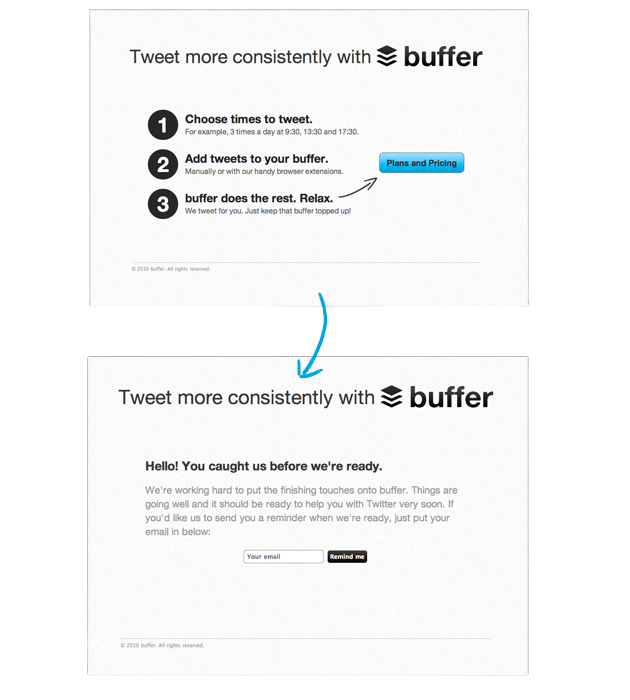
Joel Gascoigne had a simple hypothesis: people would pay for a tool that scheduled their social media posts in advance. But before writing a single line of code, he wanted to know if that hypothesis was actually true.
His test was a two-page website. The first page described the product. The second showed a pricing screen. There was nothing functional behind either of them, and visitors who clicked to sign up were simply told the product was coming soon and asked to leave their email. [Source: Buffer]
The sign-up rate was enough. Gascoigne had his answer without building anything, which is what makes Buffer one of the most referenced MVP landing page examples in startup circles. The real product came after the validation, not before it, and Buffer has since grown into a business valued at over $100 million.
5. Amazon — Start Small, Then Scale Everything
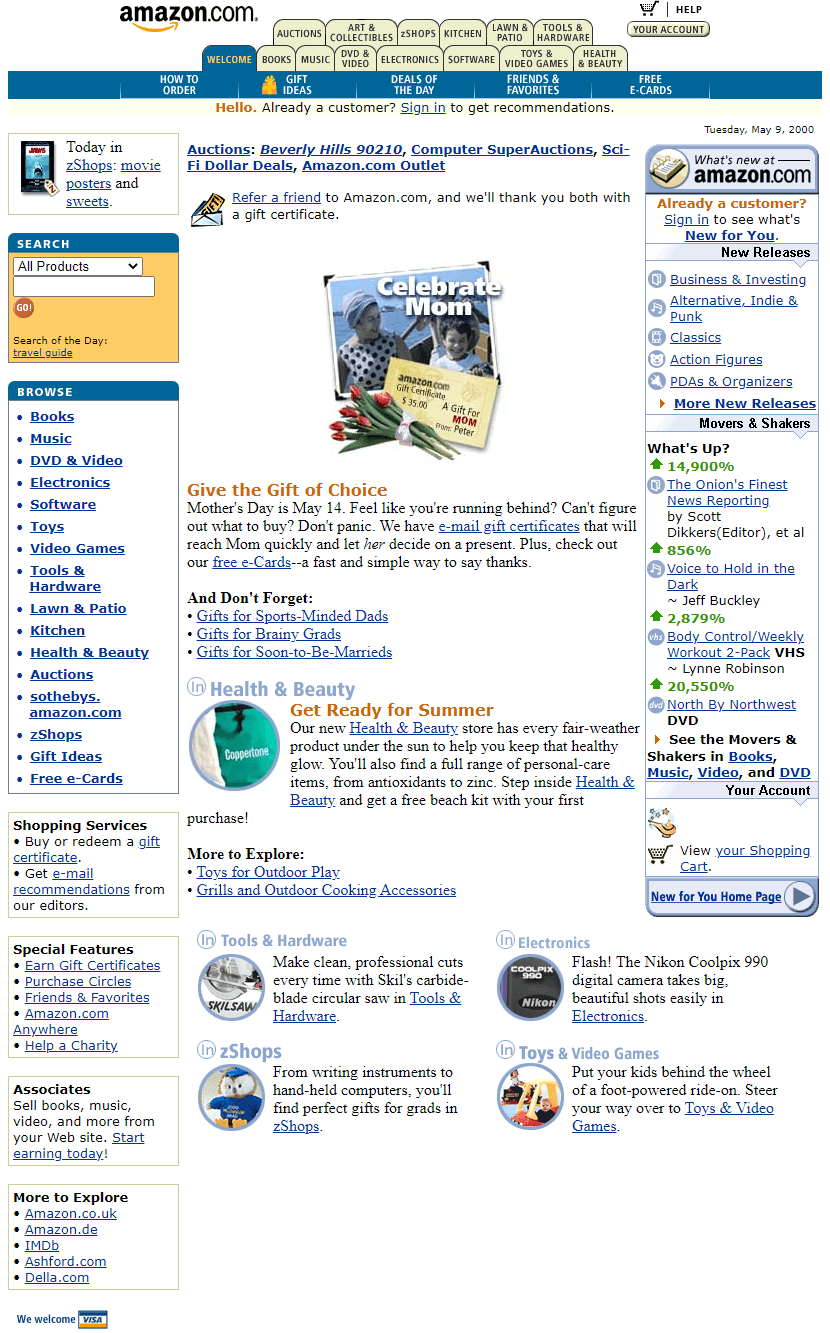
Amazon is now a platform that sells virtually everything. But it started as a simple online bookstore where customers placed orders, and the team sourced books directly from distributors.
Jeff Bezos chose books deliberately because they were low-risk, easy to ship, and universally familiar. The website made a straightforward promise of a million titles at low prices, delivered to your door. [Source: Amazon]
That focused starting point gave Amazon the traction it needed to expand into new categories over time, eventually becoming the global platform it is today. The lesson is straightforward. You do not need to build everything at once. You just need to start with something that works.
6. Uber — Starting Small to Prove Something Big
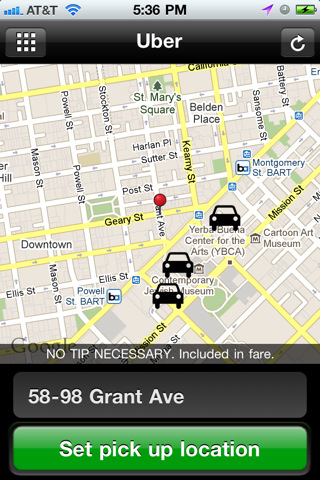
The original Uber app did exactly one thing. It connected a passenger with the nearest available driver in San Francisco, with a small fleet of black cars and nothing else behind it.
Fare estimates, in-app payments, and ride tracking all came later. That was a deliberate choice. By limiting the startup MVP to a single feature in a single city, the team could observe real behavior from both drivers and passengers without overextending the product or the team. [Source: Uber]
The insights from that controlled rollout shaped every feature that came after it, turning a stripped-down car booking app into one of the most disruptive platforms in modern transportation.
7. Spotify — Ship Lightweight, Then Grow
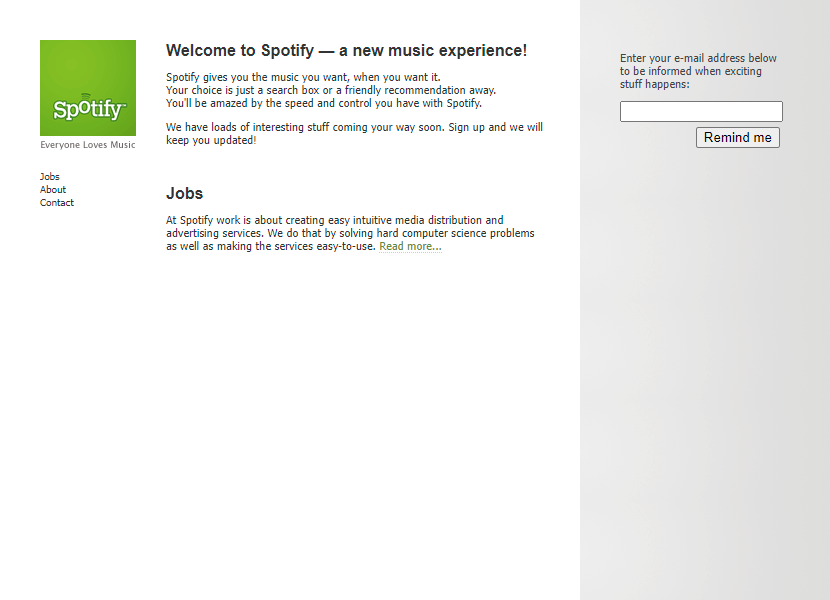
When Spotify launched in 2006, it was available by invitation only and worked as a lightweight desktop application. There was no mobile app, no social features, and no free tier as we know it today.
What the product did have was one genuinely new experience: music that streamed instantly without downloading anything. That single capability was enough to hook early adopters who had grown frustrated with slow, clunky alternatives.
Spotify used the listening behavior of that early user base to understand what people actually wanted from a streaming service, then built everything else around those insights. The lean startup MVP approach meant that every feature added after launch was grounded in real data rather than assumptions. [Source: Spotify]
8. Groupon — A WordPress Blog Worth Billions
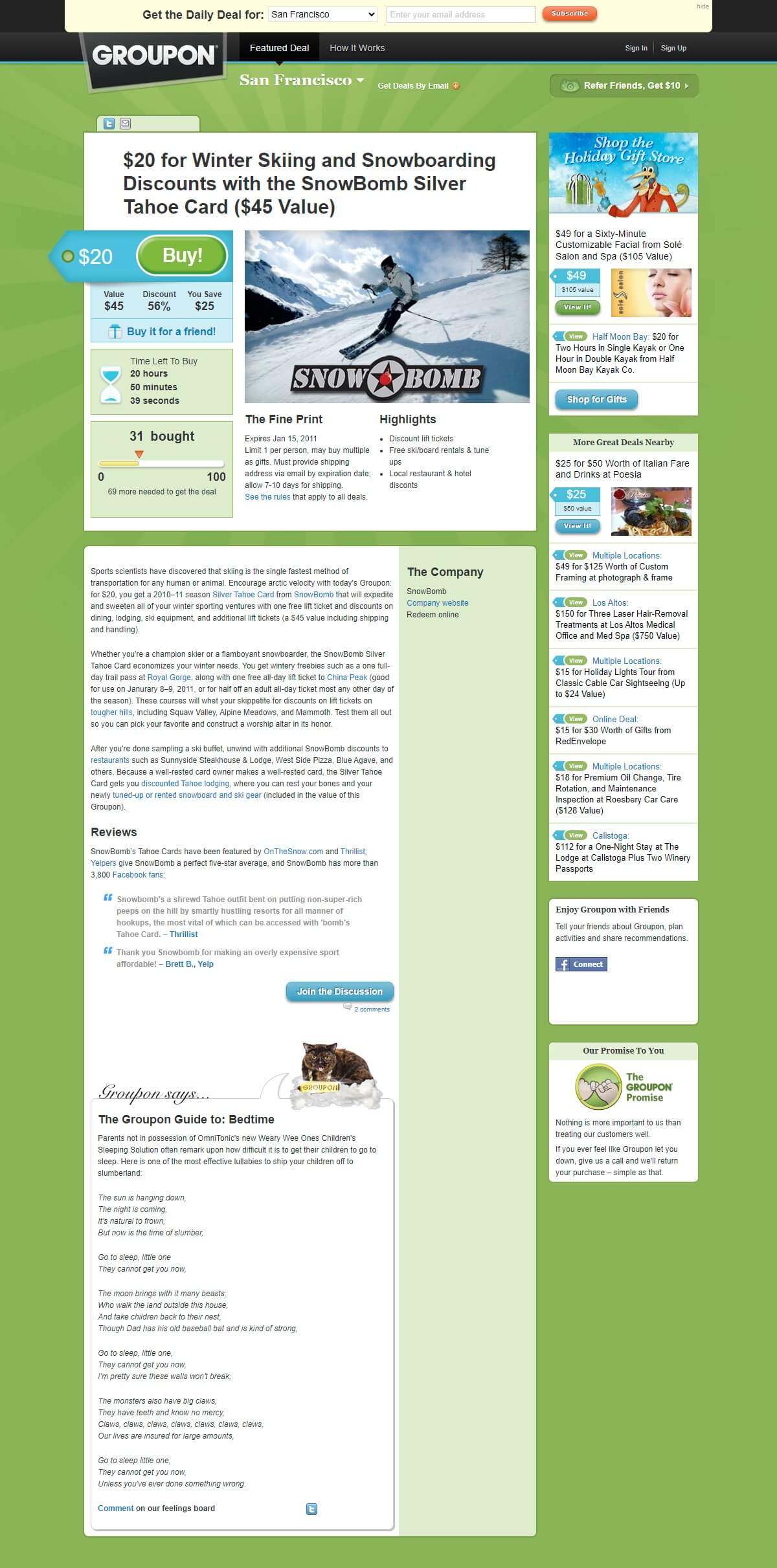
Groupon’s origin is one of the most unexpected MVP website examples in startup history, built on nothing more than a WordPress blog and a manual email process.
The founder negotiated a deal with a local business, posted it on a WordPress blog as a PDF, and manually emailed coupon codes to anyone who purchased. [Source: Groupon]
The whole thing ran on spreadsheets and manual effort, but it answered the one question worth asking at that stage: would people buy discounted deals online? They would, and that was enough to attract investment and build from. Groupon eventually reached a $6 billion valuation, proving that the starting point almost never reflects where a company ends up.
9. Twitter — An Internal Tool Gone Global
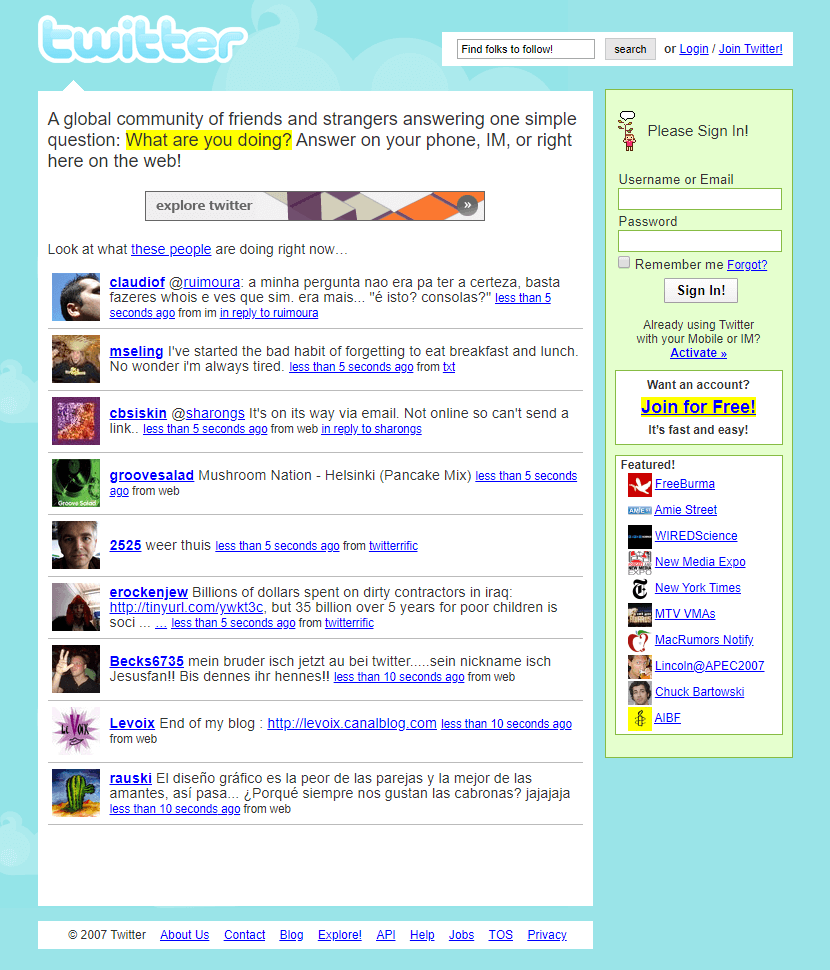
Twitter did not begin as a consumer product. It started as a side project at a podcasting company called Odeo, where employees used it to send short status updates to each other over SMS.
The founding team used it internally for weeks before anyone considered a public launch. That internal testing phase gave them a clear picture of how people naturally engaged with the format, and what made it worth sharing beyond the office.
When Twitter launched publicly at the SXSW festival in 2007, it generated 60,000 tweets in a single day. What began as an internal communication experiment had found a much larger audience than anyone on the team had anticipated. [Source: Twitter]
10. Figma — Browser-First Disrupted Desktop
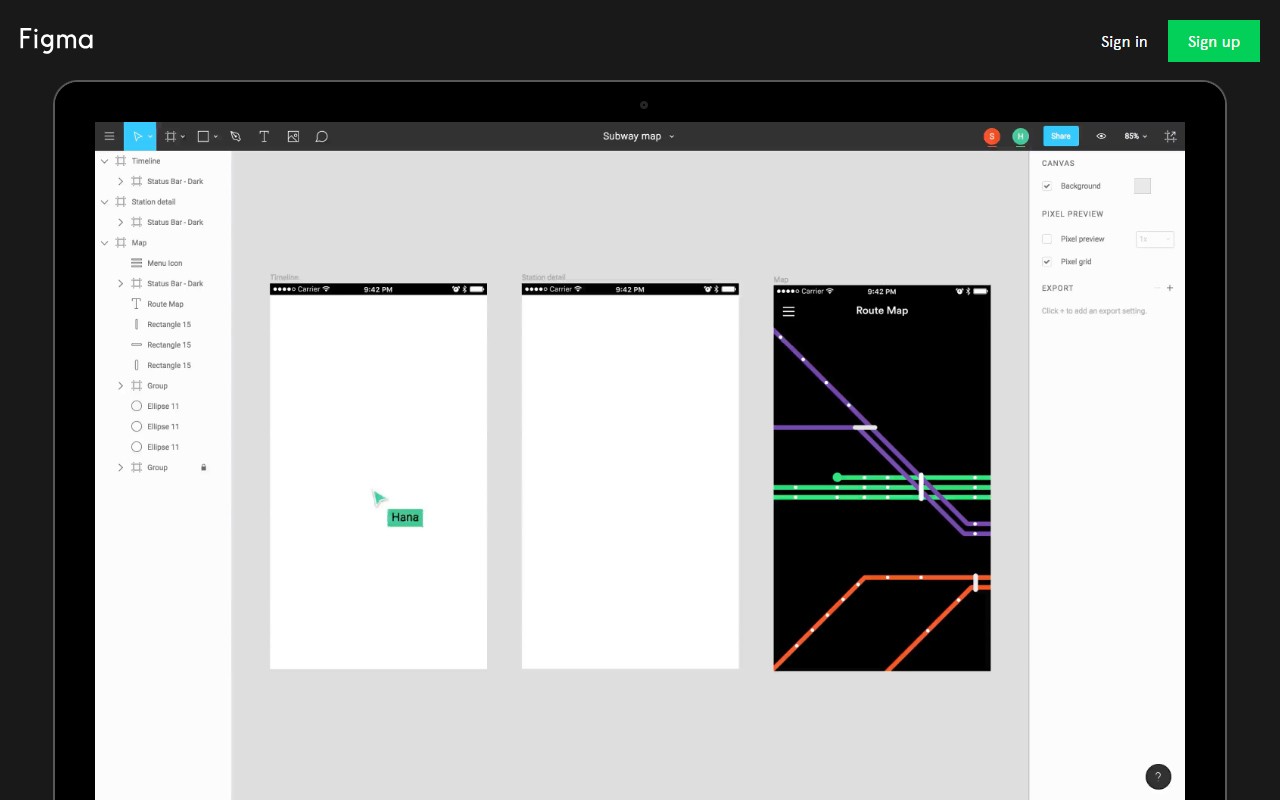
When Figma launched in 2016, the design tool market was dominated by desktop software like Sketch and Adobe Illustrator. Figma made one bold bet by building the entire product in the browser so that designers could collaborate in real time without installing anything.
The early product was limited compared to its established competitors, but that single differentiator was enough to attract designers who were frustrated with the friction of desktop tools. Feedback from that early user base shaped every subsequent release, with new features added incrementally based on how people actually used the product.
Adobe eventually acquired Figma for $20 billion, an outcome that traces directly back to a focused SaaS MVP that prioritized one insight over a long feature list. [Source: Figma]
How to Build an MVP That Moves the Needle
What the best MVP examples in this guide share is not a perfect product. It is the discipline to build less and learn faster. A great MVP is not about cutting corners. It is about building the right thing first. These five steps will help you stay focused on what actually matters before and after launch.
Define the Core Problem First
Every strong MVP starts with a clearly defined problem, not a feature list. Before your team writes a single line of code, you need to agree on one specific problem worth solving and one user group that has it. The narrower your focus at this stage, the easier every decision after it becomes.
Write Your MVP Hypothesis Statement
An MVP hypothesis statement is a one-sentence definition of what you are testing, who you are testing it with, and what a successful outcome looks like. Writing it down before you build keeps your team aligned and your spending accountable. A simple format that works well is “We believe that [target user] will [take this action] because [this assumption is true].” Testing that statement is the entire purpose of your MVP.
Pick the Right MVP Type
Not every idea suits the same approach. A service-based concept might work best as a concierge MVP, while a SaaS idea could be validated faster with a landing page MVP. Choosing the right type from the start saves weeks of misdirected development effort and gets you to real user data much sooner.
Set Success Metrics Before Launch
Decide what success looks like before you release anything. Whether you are tracking sign-up rate, activation rate, or retention over the first 30 days, having a predefined benchmark stops your team from moving goalposts after the data comes in. Without clear metrics, validated learning is almost impossible to act on.
Act on User Feedback Fast
The build-measure-learn loop only works if the learn part actually changes what you build next. Collecting feedback is the easy part. The startups that get the most out of their MVPs are the ones that process that feedback quickly, separate signal from noise, and make decisive adjustments before momentum stalls.
Read more: How To Create Minimum Viable Product For Your Digital Application
Build Your MVP With TechTIQ Solutions
Most startups do not struggle with ideas. They struggle with knowing where to start and how to scope what they build first. That is the gap we help close at TechTIQ Solutions.
We work with founders and SMEs across Singapore and Southeast Asia who are at the earliest stage of their product journey. Our approach starts with understanding your core problem, identifying the right user group, and defining only the features that directly validate your key assumption. From there, our development team builds in focused sprints, keeping the feedback loop tight between your team and ours throughout the entire process.
Whether you are a first-time founder testing a new idea or an established SME looking to digitize a specific workflow, we are built to get you to market faster and with less risk than a traditional development approach would allow.
If you are ready to turn your idea into a working product, our MVP development services in Singapore are designed to get you there without overbuilding or overspending.
FAQs
What do the best MVP examples have in common?
The strongest examples of MVP products, from Dropbox to Figma, share a few consistent traits. They each tested one core assumption, targeted a specific user group, and used early feedback to shape every subsequent decision.
For Singapore founders building for the Southeast Asian market, that same discipline applies, with the added consideration that user behavior and expectations can vary significantly across the region.
How much does it cost to build an MVP?
The cost of building an MVP varies depending on the complexity of the product, the technology involved, and the size of the development team. For Singapore startups, most early-stage MVPs fall somewhere between SGD 20,000 and SGD 70,000. Working with an experienced MVP development partner in the region can bring that cost down significantly, particularly if you scope the first release tightly around a single core use case.
How long does MVP development take?
Most MVP development projects take between 8 and 16 weeks from a defined scope to a working product. For Singapore startups operating within grant cycles such as the Enterprise Development Grant (EDG), having a realistic timeline estimate before you apply is important, as funding approvals and disbursement schedules can affect when development actually begins.
What features should an MVP include?
An MVP should include only the features that directly solve the core problem for your target user. A useful test is to ask whether removing a feature would prevent the product from solving that problem. If the answer is no, it does not belong in the first release.
For Singapore SMEs digitizing an existing workflow, this often means starting with one process rather than attempting to automate everything at once.
When should a startup pivot after an MVP launch?
A pivot makes sense when feedback from real users consistently points to a different problem, a different user group, or a fundamentally different solution. In Singapore’s tightly connected startup ecosystem, that feedback tends to come faster than in larger markets, which is an advantage worth using. The signal to pivot is not a lack of perfection in the product. It is a clear pattern in the data suggesting that the core assumption was wrong.
How do you measure MVP success?
MVP success is measured against the hypothesis you defined before launch. Depending on your product type, useful metrics include sign-up rate, activation rate, and retention over the first 30 days. For Singapore startups using their MVP to support a funding application or investor pitch, qualitative feedback from early users can be just as valuable as the quantitative data.
Wrapping Up
You do not need to build everything to prove that your idea works. You need to build just enough to find out.
For Singapore startups and SMEs, that principle carries real weight. Runway is limited, funding cycles are structured, and the cost of building the wrong product is high. The minimum viable product examples in this guide exist precisely to show that the most successful companies started the same way: small, focused, and learning from real users from day one.
An MVP is not a shortcut. It is the smartest way to enter a market, learn fast, and build something that people actually want.
If you are at the stage where you have an idea worth testing, contact us today, and we will help you figure out where to start.


Related articles
What Is Inventory Management Software and How Does It Work?
 Wei Kiong Tan
  08 Aug 2026
Web Design vs Web Development: Which One Do You Need?
13 Jul 2026 
PoC vs MVP vs Prototype: What’s the Difference?
03 Jul 2026 
Top 10 Programming Languages for Software Development in 2026
27 Jun 2026 
Top 10 .NET Development Companies in Singapore for 2026
23 Jun 2026 
Native Mobile App Development: Everything to Know in 2026
19 Jun 2026 
10 Web Security Best Practices for Singapore Startups and SMEs in 2026
15 May 2026 
What Is Web Design? A Complete Guide for Businesses
07 May 2026 
50 Best App Ideas for Startups and Entrepreneurs to Build in 2026
02 May 2026 


